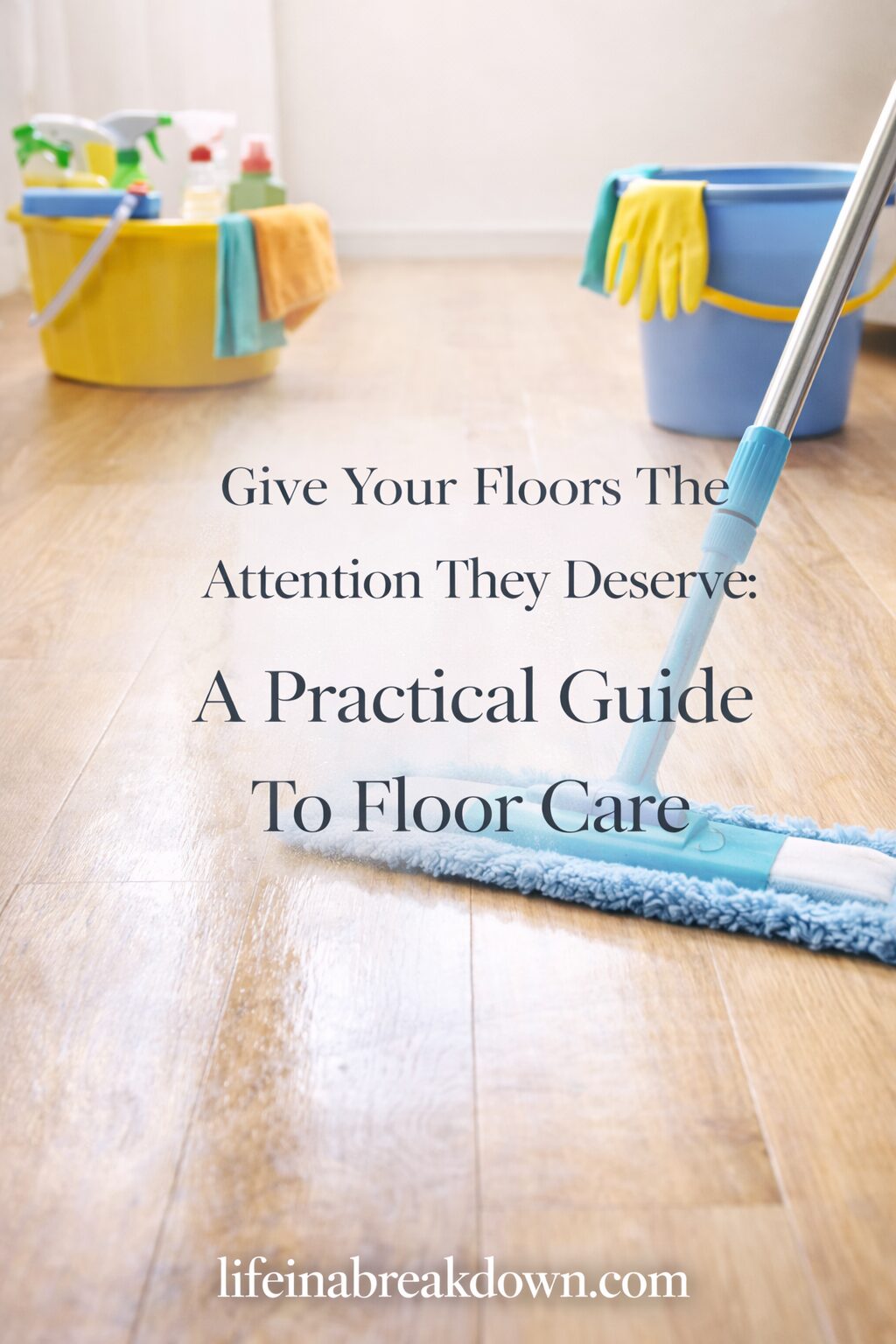
Give Your Floors The Attention They Deserve: A Practical Guide To Floor Care
As a major component of home design, floors play a significant role in a space’s look, feel, and functionality, and they can also influence a home’s resale value, either positively or negatively. Since they cover a large area and generally don’t come cheap, floors are key to making a good first impression when buyers visit a property. Unfortunately, they are also terribly overlooked by homeowners. They’re right there, beneath our feet, getting stepped on every day, but for one reason or another, many neglect them, forgetting they also require proper care and maintenance, just as all other elements in a home.
Which brings us to today’s topic: floor care. If you treat your floors right, they’ll stay like new for longer, and you’ll enjoy them for many years or even a lifetime, in some cases. If not, you’re going to end up with worn-out floors sooner than you expected, which won’t just offer an unpleasant sight but will also affect the functionality of your home and potentially become a safety hazard, not to mention they’ll drive away potential buyers.
This is both a plea to take floor care more seriously and a guide on how you should approach it, depending on what type of floor you’re dealing with. Here are some of the most widely used flooring materials and the treatments each requires.
Hardwood flooring

Hardwood floors are among the most popular flooring options among homeowners. People prefer wooden flooring over other materials for a variety of reasons, starting with its durability and sturdiness, which ensure a long lifespan with proper care. They’re also a classic choice as they exude timeless beauty and integrate well with all design styles.
But what you should keep in mind if you have wooden floors or plan on installing them in the future is that they require special maintenance. They are naturally porous, meaning they’re easily affected by environmental factors such as humidity, temperature, or bacteria. Dust removal with a microfiber mop or a special vacuum for hardwood floors should be a daily duty in this case.
It’s also recommended to apply water or oil-based finishes regularly (every 3 to 5 years) to create a protective barrier against damaging factors, such as daily wear and tear, moisture, stains, and scratches. Using furniture pads and floor protectors is a great idea as well, and so is the use of humidifiers or dehumidifiers to prevent the wood from expanding or contracting.
Tile floors
For someone who seeks durability and minimal maintenance, tiles made of materials such as ceramic or porcelain are a great flooring option. They’re sturdy, water-resistant, easy to clean, and come in a wide variety of shapes, colours, and patterns, so you’ll have no issue finding tiles that integrate perfectly into your home’s aesthetic. But what does their maintenance imply?
Well, while you might not have to put much effort into keeping tile floors in good condition, you do have to remember to clean them regularly to avoid scratches caused by dirt. Daily sweeping or vacuuming and routine mopping with warm water and a gentle tile cleaner can take care of that. In addition, you should apply a coat of sealer periodically to keep grout lines from staining or being damaged by moisture. You can also use a soft brush and baking soda paste to clean the grout between the tiles, or place rugs and mats in high-traffic areas to reduce wear and tear.
Natural stone floors
Whether they’re made of granite, marble, limestone, travertine, or slate, the beauty of natural stone floors is hard to match. They may lean on the pricier side, but many homeowners consider them a worthwhile investment due to their sturdiness and sophisticated look, which increases the property value.
If you’re of the same opinion and want to give your stone floors the care they deserve, focus on regular sweeping and dusting and make sure to avoid acidic cleaners, such as DIY concoctions that contain lemon and vinegar, as these can affect the integrity and appearance of natural stone. Opt for pH-neutral cleaners that are specifically formulated for stone surfaces instead, and reseal them every 6-12 months to maintain shine and prevent damage.
Laminate floors

When it comes to more cost-effective options, laminate flooring is the go-to choice for many homeowners. It offers a perfect combination of looks, durability, easy installation, and affordable price, so what’s not to like about it? If you love the beauty of hardwood floors but don’t appreciate the price tag, laminate offers the best alternative.
Laminate floors also score points in terms of maintenance. As with other flooring materials, regular sweeping or vacuuming is a must. While laminate flooring should not be soaked with water during cleaning, many modern laminate floors are water-repellent. To be on the safe side, avoid excessive water and use a damp cloth or mop, or a specialised laminate floor cleaner.
Luxury vinyl floors
The vinyl floors of today are much different from the thin vinyl sheets of the past. They’ve gotten an upgrade and transformed into luxury vinyl tiles (LVT), which offer far more in terms of appearance, durability, and performance. Water and slip resistance, low maintenance, versatility, and great price point are their main strong suits.
This means you won’t have to slave away to clean and care for luxury vinyl floors. As long as you clean them regularly and avoid abrasive tools or harsh substances, your LVT will stand the test of time. Damp mopping and spot cleaning with a soft cloth, water, and mild detergent are enough to keep them looking pristine. Covering furniture legs with felt pads and limiting sun exposure with floor runners can also help.
Floor care is certainly not rocket science. By learning about the specific maintenance needs of each material, taking preventive measures, and employing proper care methods, you’ll be able to ensure the longevity of your flooring.
Pin It!