Do Scars Fade? Full Explainer Blog
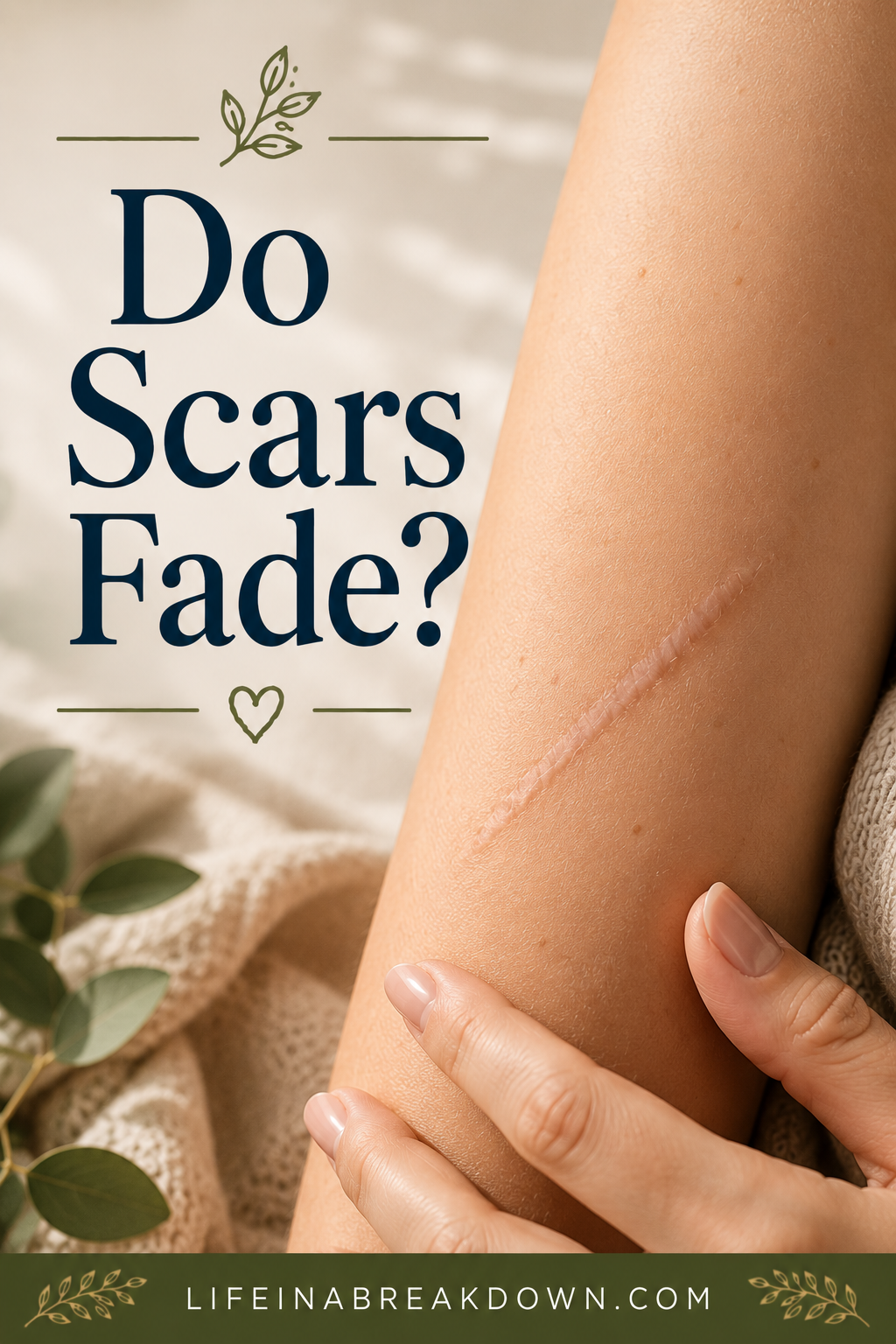
When your skin suffers a deep injury (like a deep cut, surgery, a burn or severe acne), your body rushes to patch the wound as quickly as possible. The result of that emergency patch-job is a scar.
While a scar will never fully revert into your original, uninjured skin, it undergoes a massive transformation over months and years. Here is exactly how scars fade, what determines their permanence, and what you can do to help them blend in, from home treatment to professional scar removal.
The timeline of a scar | From red to white

A scar is a living piece of tissue that evolves through three distinct biological phases. Understanding this timeline prevents a lot of panic during the early stages of healing:
[ PHASE 1: 0 – 3 MONTHS ] ──► Active phase (bright red, pink or purple; raised and tender)
[ PHASE 2: 3 – 12 MONTHS ] ──► Remodelling phase (collagen flattens out; blood vessels fade)
[ PHASE 3: 12 – 24 MONTHS ] ──► Mature phase (pale, silvery-white or flesh-toned; soft and flat)
During the first few months, your body floods the wound with extra blood vessels to deliver healing nutrients, which is why new scars look bright red, pink or purple. By the time a scar reaches the mature phase, around 1-2 years after the injury, those extra blood vessels naturally collapse, causing the scar to lose its angry colour and turn into a pale, flat, or silvery-white mark.
Why some scars fade better than others
Not all scars are created equal. How well a scar fades depends entirely on a few key structural variables:
- Type and depth of injury. A clean, sharp surgical incision closed with precision stitches will always fade much better than a jagged tear or a friction burn.
- Location on your body. Scars over highly active joints (like knees, shoulders or elbows) are constantly being stretched and pulled, which can cause them to widen or thicken over time.
- Genetics and skin tone. Melanin plays a huge role in healing. Darker skin types are more prone to hyperpigmentation (scars turning dark brown) or developing keloids (thick, overgrown scar tissue that spreads past the original wound edge).
Evidence-based ways to speed up fading
You don’t just have to sit back and wait two years for a scar to improve. There are clinically proven, dermatologist-backed methods to accelerate fading.
The home care gold standards
- Silicone gel or sheets. This is the undisputed #1 non-prescription treatment. Applying medical-grade silicone over a closed wound traps moisture, mimics the natural skin barrier, and signals your body to stop producing excess, messy collagen. It is highly effective at flattening and softening raised scars.
- Daily SPF (non-negotiable). New scar tissue is incredibly sensitive to UV rays. If exposed to the sun without protection, a scar will permanently hyperpigment (turn dark brown or purple), ruining its ability to fade into a pale white tone. Keep healing scars slathered in SPF 30 or higher.
- Targeted massage. Once the stitches are out or the scab has naturally fallen off, firmly massaging the scar with an emollient cream helps break up the rigid, tangled collagen fibres underneath the surface.
Professional treatments (for stubborn scars)

If a scar is pitted (like deep acne ice-pick scars) or remains thick and dark after a year, a dermatologist can deploy advanced solutions:
- Fractional lasers. Micro-beams of light punch microscopic holes in the scar tissue, forcing the skin to produce fresh, perfectly organised collagen to replace the old, unyielding scar tissue.
- Corticosteroid injections. Injected directly into thick keloids or hypertrophic scars to physically shrink the tissue and flatten it flush with the surrounding skin.
The speed at which you want scars to fade depends on your personal sensitivity and self-consciousness. Take on at-home or professional treatments if you feel eager to speed up the process and get back to your best self. But remember, above all else, your scars don’t define you; in fact, they only make you stronger.
Pin It!