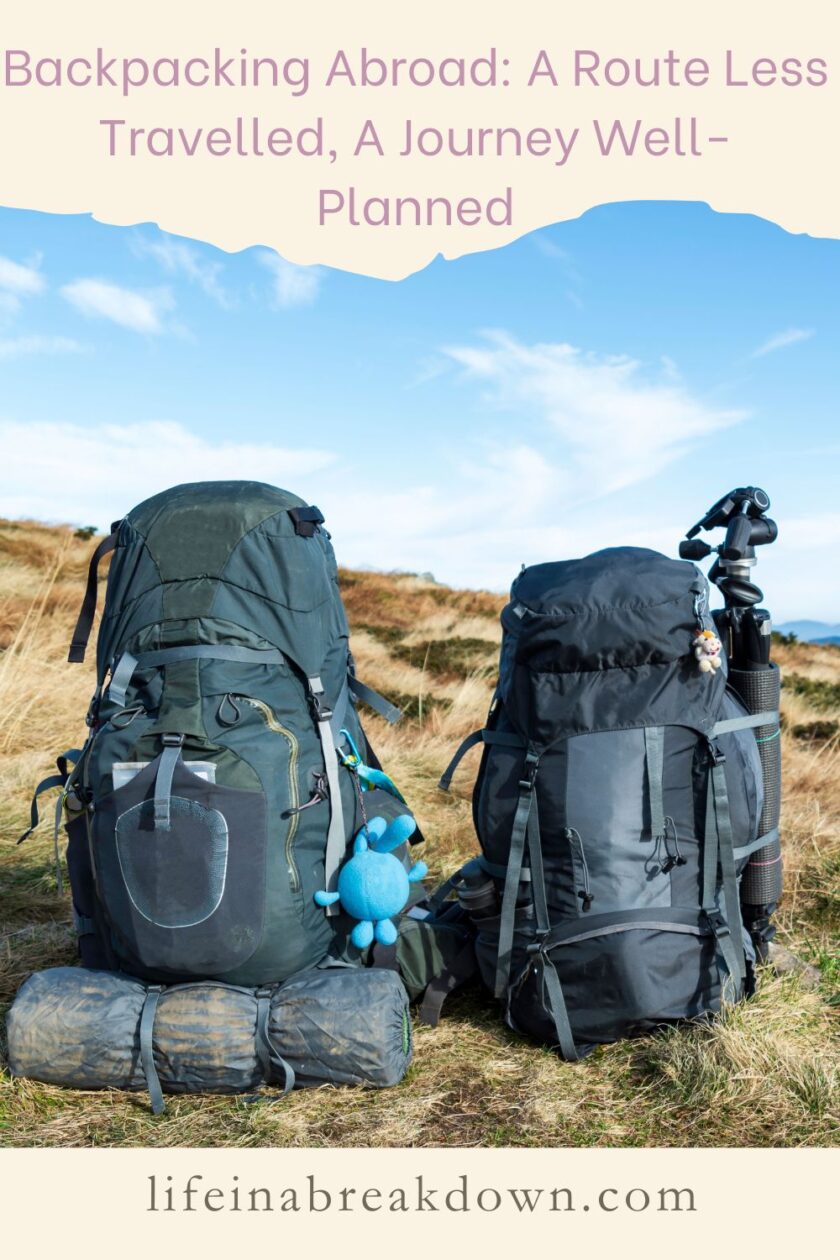
Backpacking Abroad: A Route Less Travelled, A Journey Well-Planned
Exploring nature and all the world offers in its rawest form appeals to adventurers everywhere. This type of travel, known as adventure tourism, encompasses experiencing nature, embracing physical challenges, and seeing new sights. Backpacking is the most notable and accessible form of adventure tourism.
Backpacking takes many forms. It can mean travelling with a backpack instead of a roller suitcase, carrying everything you need for staying overnight in the backcountry, or some combination of the two. When it comes to backpacking abroad the main distinction is if you plan to eat and stay in permanent establishments or to carry your food and lodging.
For this article, we’ll focus on the latter—carrying your supplies for overnight camping. So here are several tips for planning an unforgettable experience backpacking abroad in the backcountry.
Assemble the Essential Backpacking Gear

While there is wide debate over the nuances of brands and specialised equipment, backpacking gear can be broken down into several essential items. To backpack, you will need:
- Shelter: a tent, tarp, or bivy
- Sleep Items: a sleeping pad, sleeping bag, or blanket
- Cooking: a stove, fuel, pots, pans, and cutlery
- Storage: a backpack, packing cubes, and stuff sacks
- Navigation: a map, GPS, compass, or personal locator beacon
- Non-perishable food
- Water and water filtration supplies
- Physical Care: first aid kit, bug spray, sunscreen, and medications
- Fire: a lighter, matches, tinder, or flint and steel
- Weather appropriate clothing
- Headlamp or flashlight
- Knife or multitool
As you begin assembling these essential backpacking items, consider the weight and utility of each piece of gear. A lighter pack will always feel nicer on the trail, but leaving behind or forgetting an essential item can make for an uncomfortable or dangerous journey. Going ultralight is one solution to this predicament.
Ultralight backpacking means your base weight—the weight of all your backing gear minus food, water, and fuel—weighs 10 lbs or less. While this might seem outrageous, it is achievable today with modern gear. And even if ultralight backpacking is not your goal, making a few simple gear swaps for lighter items will greatly reduce the overall weight of your pack.
In addition to gathering essential backpacking gear, travelling abroad requires international documentation and preparation. Be sure to reference international adventure travel packing lists and bring your passport, a copy of your passport, an alternative form of ID, visa paperwork, proof of insurance, vaccination records, and ample copies of your documents. You must also bring a power adapter for your phone and other electronics. A pro tip is to bring a few familiar foods to reduce your body’s reaction to a new culture.
Plan Your Backcountry Objectives

Due to the compact and portable nature of backpacking, there is a world of possibilities when selecting a backcountry destination abroad. Start by choosing your desired continent for exploration. Some popular remote backpacking destinations include Patagonia in South America, Machu Picchu in Peru, the Dolomites in Italy, Everest in Nepal, Kilimanjaro in Tanzania, the Eurasian Steppe spanning Western Europe, and the Nordic countries.
Once you’ve singled out a backpacking destination, spend ample time planning your route and understanding the terrain you will experience. This planning should involve mapping your starting point, understanding the trail systems, and breaking down how far you would like to go. Give thorough consideration to the distance you plan to travel each day and factor in how the topography will impact this distance. In-depth preparation for your backpacking objective will not only help you reach it but will also reduce the chances of running out of food or spending more days out than anticipated.
It’s important to note the level of planning for your trip will vary in direct relation to the difficulty of your backpacking objective. If your objective involves extreme terrain or mountain summits expect to spend more time researching your route and speaking with local guides. You will also likely need to carry specialised mountaineering equipment such as climbing gear, ice axes, or crampons in addition to the essential backpacking items.
Decide to Backpack Solo or with Others
Part of planning an unforgettable backpacking trip abroad is determining if you’d like to travel alone or with others. There are definite advantages and disadvantages to either style of backpacking, so most of this decision will depend on your personal preference in conjunction with how challenging your objective or route is. If you’d like to backpack with other people but don’t have anyone you could ask, try going with an organised group or backpacking program.
Travelling with others undoubtedly holds many tangible benefits. Besides having someone to talk to on long flights or trails, you can also expect to carry less gear as duplicate or redundant gear can be eliminated, to have help planning your objective and route finding, and to have support in remote areas. Some disadvantages of backpacking abroad with a group are taking longer to organise the trip and facing conflict over objectives or on-trail decisions.
In contrast, solo travel depending on your destination and objectives can be more rewarding than backpacking with a group. There are different opportunities for self-empowerment, decision-making, and grounding as well as these trips are generally easier to coordinate and offer more individual freedoms. The disadvantage to solo backpacking is not having support in the event of an emergency.
Prioritise Safety
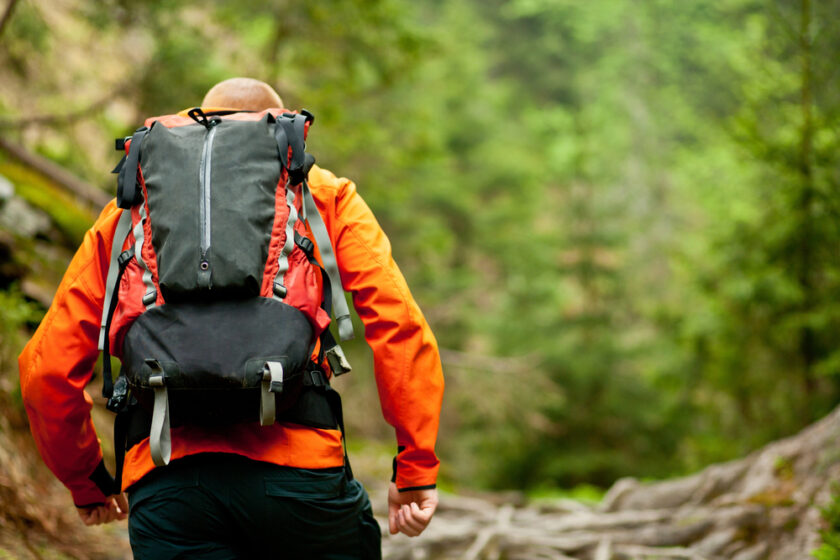
Safety is key to having an enjoyable and memorable backpacking trip abroad. Due to the remote nature of backpacking through the backcountry, you should adopt a self-rescue mindset and plan to be solely responsible for your well-being. In this way, not only will you be equipped to handle any personal emergencies but you will also be prepared to help someone else on the trail in their emergency.
The best way to prioritise safety is to be informed. Know the risks of your trail whether it is weather, animals, lack of water, or unsafe people. Be familiar with how your safety and first aid equipment works and how to use it. Take time to learn what authority you would contact in the event of an emergency. Essentially the more proactive you are in learning how to care for yourself and others, the better.
Lastly, always trust your gut! If you see signs that a stranger might have ulterior motives or sense a storm could leave you stranded somewhere, have confidence in these instincts. As humans, we are equipped with a powerful survival sense so it’s always better to err on the side of caution if your personal danger barometer is going off.
Conclusion
The world is filled with raw and natural wonders that can simply be life-changing to experience. Adventure tourism is all about embracing these wonders through exploration and physical adventure. Backpacking abroad is one of the most accessible forms of adventure travel today and it means anyone can see the world’s untouched wonders.
An amazing backcountry backpacking trip is forged through a little experience and lots of intentionality. Be sure to pack your backpack with all the essentials, thoroughly plan your destination and backpacking objective, find some friends or embrace travelling solo, and finally always prioritise safety on the trail. With these backpacking tips in mind, the world is yours to see and experience.
Pin It!