How to Add More Protein to Your Diet Without Overcomplicating Your Meals
AD
Protein has become one of the most talked-about nutrients in recent years, yet many people still assume eating more of it requires a complete lifestyle overhaul. Images of strict meal plans, endless chicken and rice, or expensive supplements often come to mind, making the whole idea feel unnecessarily complicated.
In reality, adding more protein to your diet can be much simpler than most people realise. It isn’t about reinventing every meal or following a rigid fitness routine. Instead, it’s about making small adjustments that fit naturally into the way you already eat.
Think About Adding, Not Replacing

When people decide they want to improve their diet, they often focus on everything they need to stop eating. That mindset can quickly become overwhelming.
A much easier approach is to look at your existing meals and think about what you could add instead. If you’re making a pasta dish, perhaps it could include some grilled chicken or extra lentils. A simple salad becomes far more satisfying with salmon, eggs or chickpeas. Even a bowl of soup can be transformed by stirring in shredded chicken or white beans.
These changes don’t require learning new recipes or buying unfamiliar ingredients. They simply build on meals that are already part of your weekly routine, making them far easier to maintain over time.
Give Breakfast a Little More Attention
Breakfast is often where protein gets forgotten.
Many people grab toast, cereal or a pastry before rushing out of the door. While these options are quick, they rarely keep you feeling satisfied for very long, leaving you reaching for a snack well before lunchtime.
Adding a source of protein first thing in the morning doesn’t have to take any extra effort. Greek yoghurt with fruit, eggs on toast or overnight oats made with milk instead of water all provide a more balanced start to the day. Even small changes like adding a handful of nuts or seeds can increase the protein content without changing the meal completely.
A protein-rich breakfast can also help you stay fuller for longer and support more consistent energy levels throughout the morning, making it easier to avoid unnecessary snacking.
Make Convenience Work in Your Favour
One of the biggest barriers to eating well isn’t motivation – it’s time.
After a long day at work, few people want to prepare an elaborate meal from scratch. That’s why having convenient, protein-rich foods available can make all the difference. Keeping cooked chicken in the fridge, frozen prawns in the freezer or tins of tuna in the cupboard means a balanced meal is never far away. The easier healthy choices become, the more likely you are to stick with them.
The same principle applies to busy mornings. A smoothie takes only a couple of minutes to prepare but can easily become a nutritious breakfast when made with fruit, milk and a quality protein source.
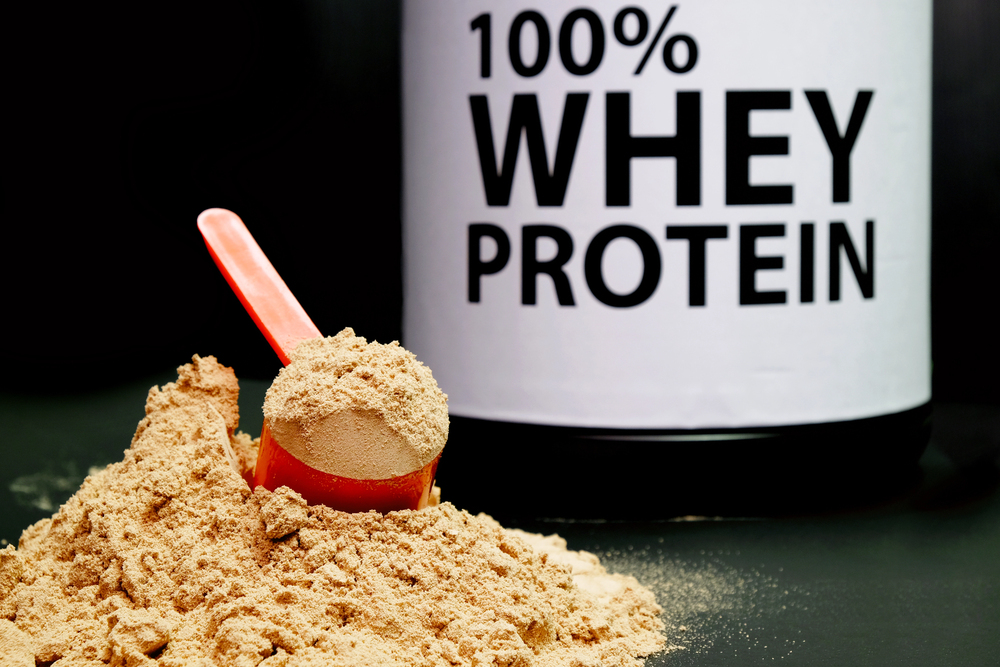
For people who struggle to reach their protein goals through food alone, a grass fed whey protein can be a practical addition to a balanced diet. It isn’t about replacing whole foods, but rather making it easier to boost the protein content of meals you already enjoy. Blended into a morning smoothie, stirred through overnight oats or added to homemade pancakes, it offers a simple and convenient way to increase your daily protein intake without overcomplicating your routine.
Don’t Underestimate the Power of Better Snacks

Snacks often get blamed for unhealthy eating habits, but the problem usually isn’t snacking itself. It’s what we choose when hunger appears between meals.
Many convenience snacks are high in sugar or refined carbohydrates, giving a quick burst of energy before leaving you hungry again not long afterwards. Swapping some of these for foods that naturally contain more protein can help you stay fuller for longer without feeling like you’re dieting.
Some easy options include:
- Greek yoghurt with berries
- Cottage cheese and fruit
- Boiled eggs
- Roasted chickpeas
- Mixed nuts
- Wholegrain crackers with cheese
None of these require much preparation, making them realistic choices for busy weekdays.
Protein Isn’t Just for People Who Go to the Gym
There’s still a common misconception that protein is only important if you’re trying to build muscle or spend hours lifting weights.
The truth is that protein plays an important role for everyone. It contributes to the maintenance of muscle mass, supports normal body functions and helps make meals more satisfying. Whether you’re juggling work and family life, enjoying regular walks or simply trying to eat a little better, including enough protein throughout the day can support an overall balanced diet.
This doesn’t mean every meal needs to revolve around protein. It simply deserves a place alongside carbohydrates, healthy fats and plenty of fruit and vegetables. Focusing on balance rather than perfection is what makes healthy habits sustainable in the long run.
Spread Your Protein Across the Day
Many people eat very little protein until dinner, when they suddenly consume most of their daily intake in one sitting.
A more practical approach is to spread it across your meals. This doesn’t require counting every gram or following a strict nutrition plan. Instead, simply aim to include a source of protein whenever you eat. Breakfast, lunch, dinner and even snacks all offer opportunities to increase your intake naturally.
Over time, these small changes can help make meals more satisfying while creating a more consistent eating pattern throughout the day. Best of all, it feels much less daunting than trying to make up for an entire day’s worth of protein in the evening.
Small Changes Tend to Last Longer
Healthy eating doesn’t usually fall apart because people lack motivation. More often, it’s because they try to change too much at once and create habits that simply aren’t realistic to maintain.
Adding more protein doesn’t have to become another complicated health project. Choosing Greek yoghurt instead of a sugary yoghurt, adding chicken to your lunchtime salad, blending a smoothie before work or keeping a few high-protein snacks in the cupboard are all relatively small decisions. Individually they may seem insignificant, but together they can have a meaningful impact on the overall quality of your diet.
The healthiest routines are often the simplest ones. When eating enough protein becomes part of your everyday habits rather than something you have to think about constantly, it feels effortless. Those small, consistent choices are usually what make the biggest difference over time.
Pin It!