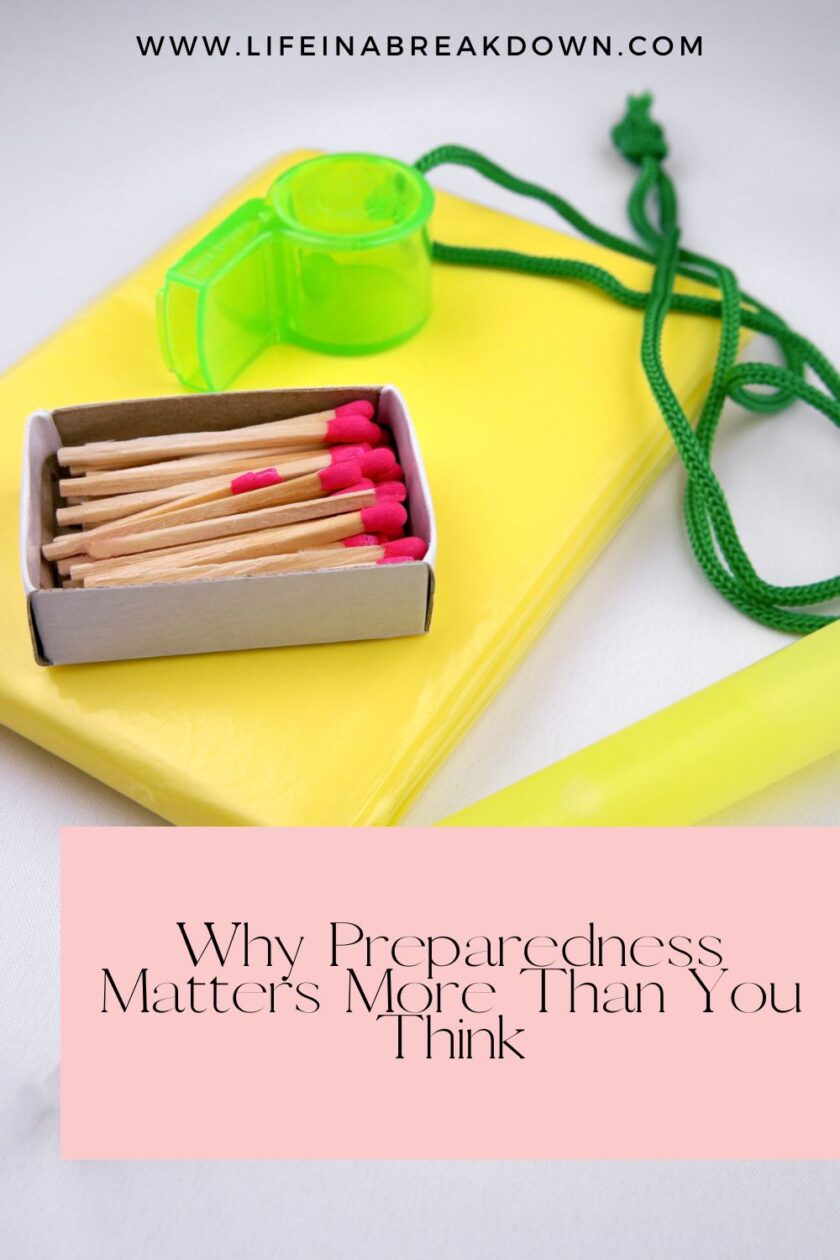
Why Preparedness Matters More Than You Think
When disaster strikes, there’s often little time to react. Being caught off guard can mean the difference between chaos and control, whether it’s a natural disaster, a power outage, or a personal emergency. While many people understand the importance of being prepared, few take the steps necessary until it’s too late. Preparedness isn’t just about survival but resilience, peace of mind, and community strength.
Emergencies Happen More Often Than You Realise

Disasters aren’t rare occurrences confined to far-off places. In the United States alone, floods, wildfires, hurricanes, and winter storms affect millions of people each year. Add to that the risk of man-made crises like cyberattacks, power grid failures, or industrial accidents, and the need for readiness becomes impossible to ignore.
According to the Federal Emergency Management Agency (FEMA), nearly 60% of Americans haven’t practiced what to do in a disaster, and only 39% have developed an emergency plan. This lack of preparation makes individuals and families more vulnerable when the unexpected happens.
The Cost of Not Being Ready
When you’re unprepared, even minor incidents can spiral into major problems. Consider a simple power outage: without flashlights, charged batteries, or access to essential medications, the situation can quickly become dangerous. Now multiply that by a flood or wildfire scenario where evacuation is necessary. Delays caused by confusion or disorganisation can risk lives.
Beyond physical safety, emergencies can bring financial strain. Without access to critical documents, emergency funds, or insurance details, recovery can take longer and be far more expensive. Preparedness not only protects lives but also minimises the long-term economic impact.
The Psychological Impact of Being Unprepared
Fear and uncertainty can be just as debilitating as the physical effects of a disaster. Knowing you’re unprepared can increase stress, anxiety, and panic during an emergency. On the flip side, those who have taken steps, like creating a family emergency plan or assembling a go-bag, often feel more in control and capable of making rational decisions under pressure.
Preparedness also helps children cope better during emergencies. Kids model their reactions on adult behaviour, and when they see a calm, organised response, they’re more likely to feel safe and secure even in high-stress situations.
How to Start Preparing Today

Preparedness doesn’t have to be overwhelming or expensive. Start small:
- Create a family emergency plan. Include meeting points, emergency contacts, and instructions for different scenarios.
- Assemble an emergency kit. Stock it with water, non-perishable food, first-aid supplies, flashlights, extra batteries, and essential medications.
- Stay informed. Sign up for local emergency alerts and know the risks specific to your area.
- Practice regularly. Run drills at home so everyone knows what to do.
It’s also essential to understand community resources available in times of crisis. Organisations like the Red Cross provide vital disaster relief services, including shelter, food, and medical assistance. Being familiar with these services before you need them can save critical time when every second counts.
Preparedness Is a Community Responsibility
Being prepared isn’t just a personal duty, it’s a civic one. The more individuals who are ready, the less strain is placed on emergency responders and healthcare systems. Prepared communities recover faster and suffer less overall.
Check in with neighbours, especially older adults or those with limited mobility. Offer to help them create a plan or share resources. Community preparedness can prevent tragedies and build stronger, more resilient neighbourhoods.
Final Thoughts
Preparedness is more than a checklist; it’s a mindset. Taking time today to plan, gather supplies, and educate yourself can make all the difference tomorrow. Emergencies may be unpredictable, but your response doesn’t have to be. Act now – because it’s too late to prepare when disaster strikes.
Pin It!