How Invisalign Treats Overbites, Underbites, and Crossbites
Ah, the quest for a perfect smile. It’s a journey that many of us embark on at some point in our lives. Whether you’re dealing with an overbite, underbite, or crossbite, Invisalign has emerged as a modern-day hero in the world of orthodontics. But how exactly does it work its magic on these common dental issues?
Understanding the Bite Problems
What can Invisalign treat? Let’s explore three main issues in more detail.
Overbites
An overbite is when your upper front teeth overlap significantly over the lower front teeth. This might seem like a minor issue, but it can lead to a host of problems. From jaw pain to worn-out teeth, an overbite isn’t something you want to ignore.
Underbites
On the flip side, an underbite is when your lower teeth extend past your upper teeth. This condition can make chewing and speaking a bit of a challenge. Plus, it can cause undue stress on your jaw and lead to discomfort.
Crossbites
A crossbite occurs when some of your upper teeth sit inside your lower teeth rather than outside. This misalignment can cause tooth wear, gum disease, and even bone loss. It’s not just about aesthetics; it’s about keeping your mouth healthy.
Invisalign: The Clear Choice

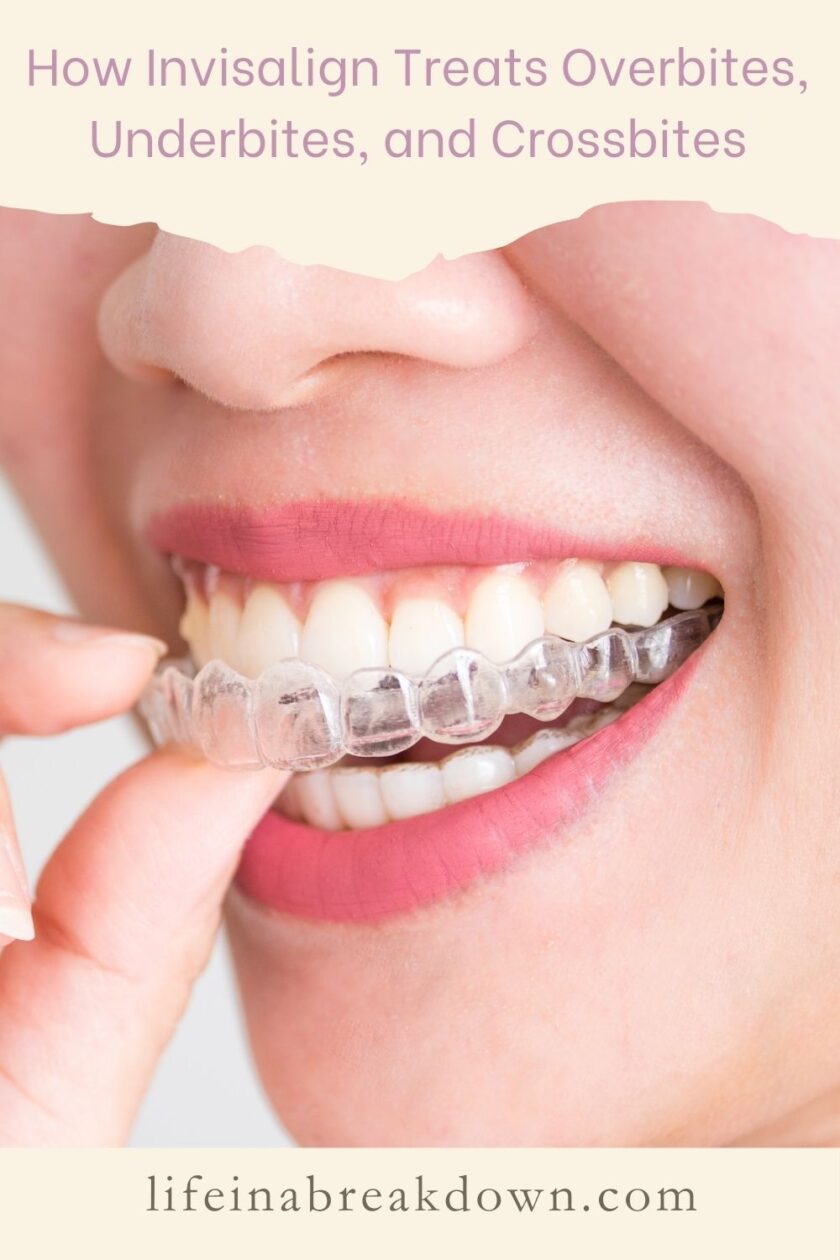
So, what makes Invisalign so special? It’s all about those nearly invisible aligners. Made from a smooth, clear plastic, these aligners are custom-made to fit snugly over your teeth. And the best part? They’re removable! You can take them out when you eat, brush, or floss, making them a convenient alternative to traditional braces.
The Treatment Journey
Step 1: The Initial Consultation
Your Invisalign journey begins with a visit to an orthodontist. During this consultation, they’ll take a close look at your teeth and discuss your goals. It’s a great opportunity to ask questions and understand what to expect.
Step 2: The Custom Plan
Next up is the creation of a digital 3D model of your teeth. This model allows your orthodontist to map out a precise treatment plan. You’ll get a sneak peek at how your teeth will move with each aligner and what your new smile will look like at the end of the journey.
Step 3: Receiving Your Aligners
Once your custom aligners are ready, it’s time to start wearing them. Each set of aligners is designed to make slight adjustments to your teeth’s position. You’ll typically wear each set for one to two weeks before moving on to the next set.
Step 4: Regular Check-Ups
Throughout your treatment, you’ll have regular check-ups with your orthodontist. These visits are crucial for ensuring that your teeth are moving as planned and to address any concerns you might have.
Treating Overbites with Invisalign
Invisalign can be highly effective for treating overbites, especially when caught early. The aligners gradually push the upper teeth back while pulling the lower teeth forward. This dual action helps to create a more balanced bite.
The Benefits:
- Improved Jaw Function – Aligning your teeth can help reduce jaw pain and improve your ability to chew and speak.
- Enhanced Appearance – A balanced smile not only looks great but can boost your confidence.
Correcting Underbites with Invisalign

For underbites, Invisalign aligners work to push the lower teeth back and bring the upper teeth forward. In more severe cases, additional dental appliances or even surgery might be required, but Invisalign can significantly help mild to moderate underbites.
The Benefits:
- Better Chewing Efficiency – Proper alignment makes it easier to bite and chew food.
- Speech Improvement – Correcting an underbite can help improve speech clarity.
Fixing Crossbites with Invisalign
When it comes to crossbites, Invisalign aligners can gently move the upper and lower teeth into their correct positions. This process helps to distribute the biting force evenly across all teeth, reducing the risk of tooth damage and gum disease.
The Benefits:
- Even Tooth Wear – Proper alignment ensures that your teeth wear down evenly.
- Gum Health – Reducing the risk of gum disease and other dental issues.
Why Choose Invisalign?
Invisalign isn’t just about the science of moving teeth; it’s about making the treatment experience as pleasant as possible. Here are a few reasons why many people prefer Invisalign over traditional braces:
Aesthetics
Let’s face it: metal braces aren’t exactly subtle. Invisalign aligners are clear and hardly noticeable, which is a big win for anyone who wants to straighten their teeth without drawing attention.
Comfort
Made from smooth plastic, Invisalign aligners are generally more comfortable than metal braces. There’s no risk of sharp metal brackets or wires poking your mouth.
Convenience
You can remove Invisalign aligners when you eat or clean your teeth. This means no dietary restrictions and easier oral hygiene compared to traditional braces.
Living with Invisalign
Eating and Drinking
With Invisalign, you can eat whatever you want. Just make sure to remove your aligners before meals and brush your teeth before putting them back in. This helps prevent staining and keeps your aligners in top shape.
Oral Hygiene
Maintaining good oral hygiene is a breeze with Invisalign. Since the aligners are removable, you can brush and floss as usual. Just be sure to clean your aligners regularly to avoid any build-up.
Staying Disciplined
One of the keys to successful Invisalign treatment is discipline. You’ll need to wear your aligners for 20-22 hours a day to achieve the best results. It’s a commitment, but the payoff is worth it.
Potential Challenges and How to Overcome Them
Adjusting to Aligners
When you first start wearing Invisalign aligners, you might experience some discomfort. This is normal and should subside after a few days as your mouth adjusts.
Staying on Track
It’s important to wear your aligners as directed by your orthodontist. Set reminders if needed, and always carry your aligner case with you to prevent loss or damage.
The Road to Your Perfect Smile
Invisalign has revolutionised orthodontic treatment, making it easier and more convenient to achieve a healthy, beautiful smile. Whether you’re dealing with an overbite, underbite, or crossbite, these clear aligners offer a discreet and effective solution.
Pin It!