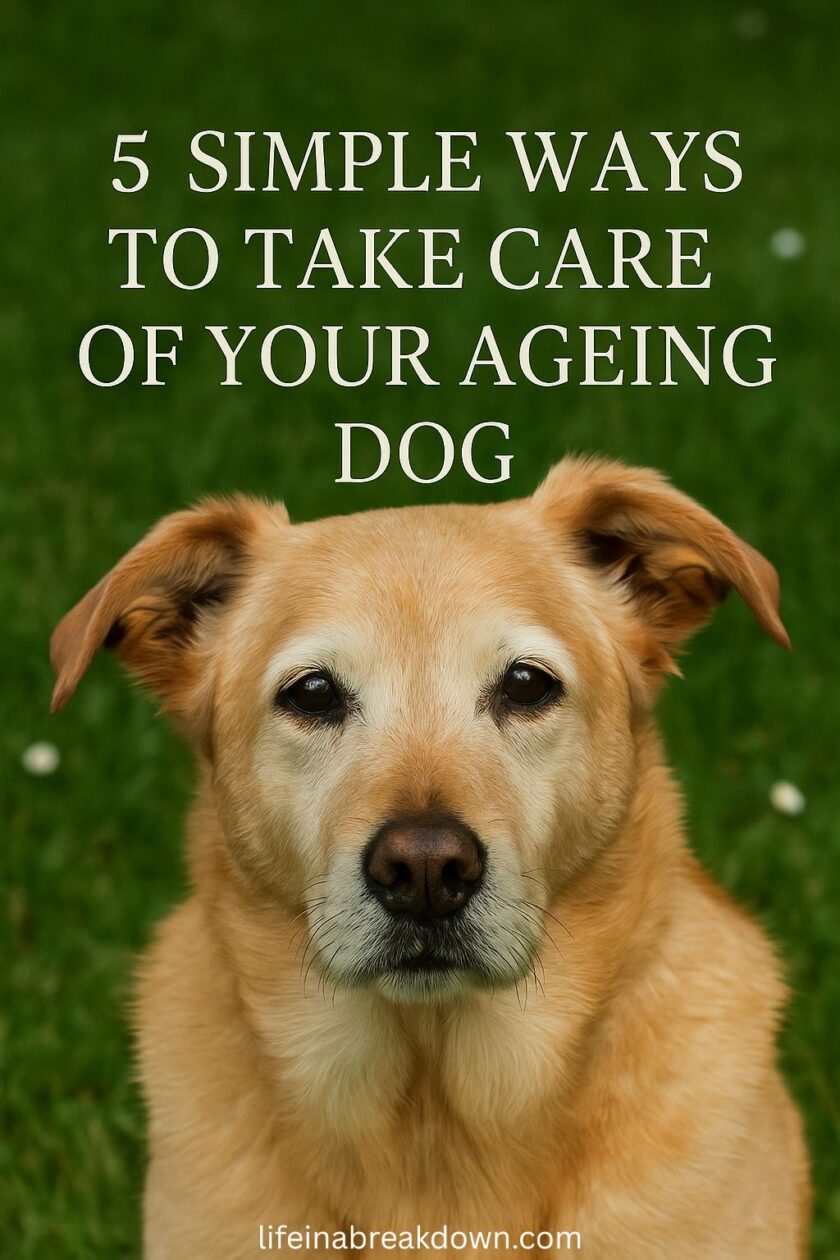
5 Simple Ways to Take Care of Your Ageing Dog
When your dog starts slowing down, it can be a bit of a shock. One day they’re tearing around the garden, the next they’re hesitating before hopping on the sofa. It’s part of the deal when you’ve got an older dog, but it doesn’t have to be sad or stressful. With a few small changes, you can make their life easier and more comfortable. They’ve been there for you all these years, so now it’s your turn to return the favour. Here are five things that really help when your dog starts getting older.
Keep an eye on small changes

You probably know your dog’s habits like the back of your hand, so you’ll notice when something feels off. Maybe they’re not as keen on walks, or they take longer to lie down. These might seem like minor things, but they’re often the first signs that your dog needs a bit more support. You don’t need to panic, but don’t brush it off either. It’s worth keeping track of changes like these and mentioning them at your next vet check-up. Getting ahead of problems can save a lot of stress later on.
Add extra joint support to their food
As your dog gets older, it’s not unusual for their joints to get stiff or sore. Getting up can take more effort, and long walks might leave them limping. One simple way to help is by adding collagen for dogs to their meals. Collagen supports healthy joints, skin, and mobility, and it’s really easy to mix into their usual food. You don’t need to change everything at once; just add it in slowly and see how they respond. Most dogs won’t even notice it’s there, but you’ll probably notice the difference in how they move.
Keep them moving, but don’t overdo it
Older dogs still need exercise, but they can’t handle what they used to. That doesn’t mean you should stop walking them. It just means you need to take things a little easier. Go for shorter, more frequent walks and give them time to sniff around and rest when they need to. If they want to stop and watch the world go by for ten minutes, let them. It’s not about tiring them out anymore; it’s about keeping their body and mind active in a gentle way.
Give them a proper place to rest

Sleep is a big deal for ageing dogs. Their bodies need more recovery time, and if their bed isn’t comfortable, they won’t rest properly. If their old bed is flat or lumpy, it’s time for an upgrade. Go for something soft but supportive, and keep it in a warm, quiet spot. Make sure it’s easy to get in and out of, especially if your dog has trouble with stairs or jumping. If they like a blanket or something to lean against, add it in. You want them to feel safe, warm, and pain-free.
Be patient and stay close
Some days will be harder than others. Your dog might seem confused or a bit off. They might bark at nothing or forget what they were doing. It can be upsetting to see, but it’s just part of getting older. What they need most on those days is you. Speak gently, give them cuddles if they want them, and stick to the routine as best you can. Familiar smells, sounds, and spaces help keep them calm. Even if they don’t act the same, they’re still the same dog who’s loved you all their life.
Pin It!