4 Reasons why Bari is a Place Worth Visiting: Guide to its Top Attractions
Please note: this is a sponsored guest post, it is not based on my own experiences.
Apulia is a well-known region for summer holidays, nevertheless is an amazing destination all the year round, thanks to unsung gems such as Bari.
Bari, in my memories, makes me think of the sweet breeze of Adriatic Sea, the Art Nouveau buildings and medieval churches, as well as a surprising culinary tradition that makes it a must-see on a trip to discover the most delicious products of South Italy.
With the support of the Barion Hotel staff, (a hotel located a few kilometers from the centre of Bari), I visited some beautiful places, admiring enchanting views and enjoying the unique charm of Bari’s historic centre.
It wasn’t difficult to be captured by the spell that the capital of Apulia launches on travelers arriving here.
Maybe you don’t know that Bari is an important economic center of Southern Italy, since it is the second largest city after Naples, it boasts one of the largest ports on the Adriatic Sea and the most important university of the region.
The following tips can be useful for those who have never been to Bari and would like to appreciate it to the utmost, even in a couple of days.
Visit Old Barr
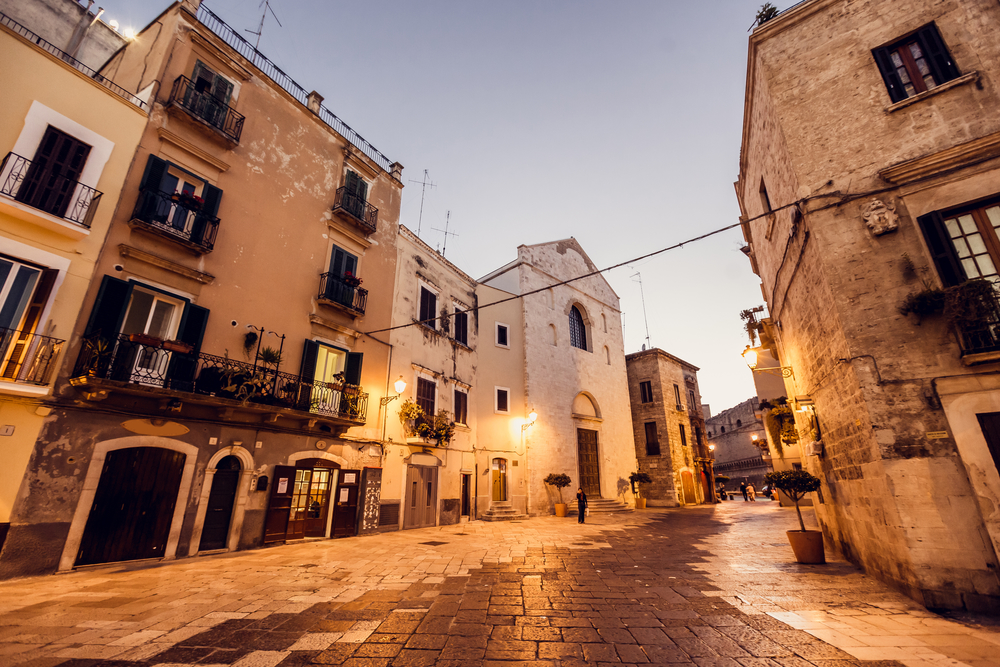
Also known as the Saint Nicholas district, Bari Vecchia (Old Bari) is the heart of the traditions and stories of the city, which today is a part of the historic center together with the modern Murat area, built from 1813 onwards, during the reign of Gioacchino Murat.
The words of Italo Calvino admirably describe the liveliness of this district: “The world around the ancient Saint Nicholas is an anthill drunk with vitality. The old courtyards are rooms, chapels are old warehouses, a staircase forces a ceiling open. That’s the way old Bari multiplies itself without end, thank God, it grows, ever new and never dying”.
The old town of Bari is really a discovery without end, with its many narrow streets and small houses next to each other. The ancient walls that surround this district connect the old port to the new port, giving a striking appearance to this part of the city, including stunning panoramic views such as the terrace of Fortino Sant’Antonio Abate.
In the old town you should visit the Basilica of St. Nicholas, a masterpiece of Romanesque architecture. The basilica, built between 1087 and 1197, has the majesty of a castle because of its two bell towers, while its interior is divided into three naves, all with baroque decorations.
The church houses the relics of Saint Nicholas of Bari and for this reason it is a must-see for Orthodox Christians, who come especially from Eastern Europe. During the visit, notice the amazing floor with marble inlay in the central apse, dating from the XII century, the marble episcopal chair, dating back from 1105, and the tomb of Bona Sforza, Queen of Poland, built by sculptors of the late XVI century.
The Cathedral of San Sabino, although less famous than Basilica, shows the multifaceted beauty of the city: the essential aspect of the façade highlights the magnificent rose window at the entrance, linked to the ritual of the summer solstice.
On 21st June, in fact, the sun’s rays enter the church at 5:00 pm, illuminating a second marble canopy on the floor, a much-awaited event by Bari inhabitants, who particularly like this church.
The theatre tradition in Bari
To understand the artistic and cultural importance of Bari, it’s essential to known that in 1920 the city was famous throughout Italy for its prolific theatrical activity.
Bari had more than 20 theatres located side by side, along the same road, which was known as the “mile of theatres”. Today, unfortunately, they are almost all closed.
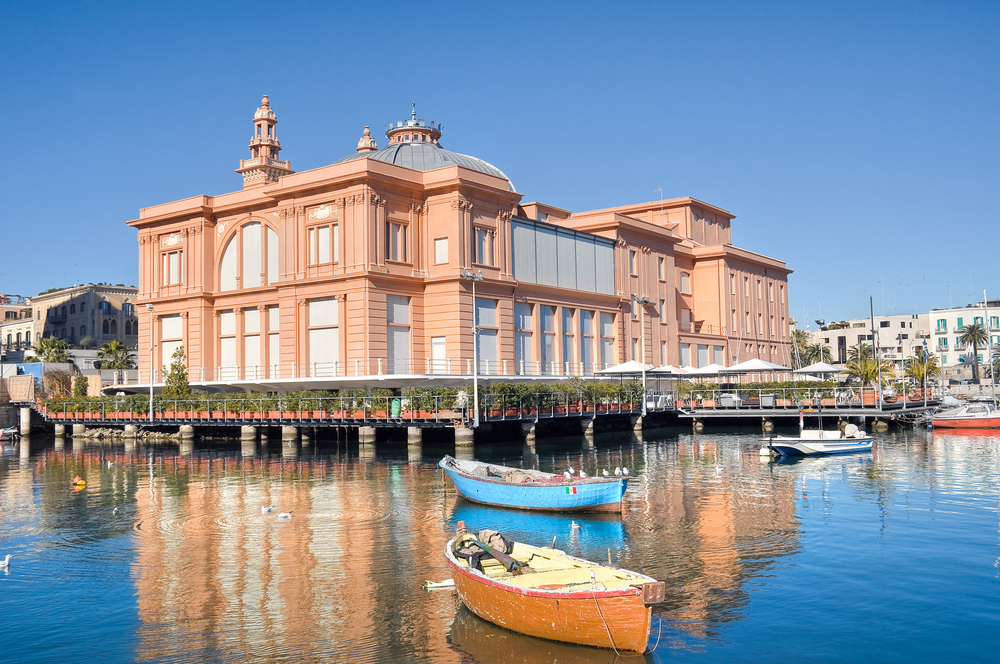
However, you can still walk in this area that evokes memories of great plays: the most famous stage is the Teatro Petruzzelli, in Corso Cavour, destroyed by fire, rebuilt and reopened to the public with a renewed architectural style.
Behind the Petruzzelli, in via Fiume, there was the Trianon, which hosted concerts and the first screenings of black and white movies. La Fenice, closed in 1927, put in operettas and variety, while the lavish Oriente was also a cinema. Teatro Margherita is now an art gallery and was originally a location whose plays were competing with Petruzzelli.
A walk by the sea
Stroll the streets of Bari is a pleasant experience, not only in the centre but also on the waterfront, due to the spectacular view on sunny days.
The monumental promenade was completed in the Thirties and here stand buildings in the rationalist architectural style, such as the Palace of the Province, and the harbor, where you may come across fishermen who sell fresh fish, that is very nice if you want to taste the typical products of Bari!
The name of the old port is the “nderr la lanz”, that in the dialect of Bari means “at the foot of the boat” and this is also a meeting point for who like to take a break tasting sea urchins and beer, in other words the local street food in compliance of tradition, enjoying the very evocative landscape.
If you come here in the evening, don’t forget to have a drink at Chiringuito, a historic bar open since the postwar period.
Taste the local food specialities of Bari
The Bari specialities are focused mostly on three ingredients, namely wheat, olive oil and wine.
This means that the homemade pasta is one of the most delicious dishes that you can try in Bari, in particular the orecchiette and cavatelli, a kind of pasta with the shape of a shell.
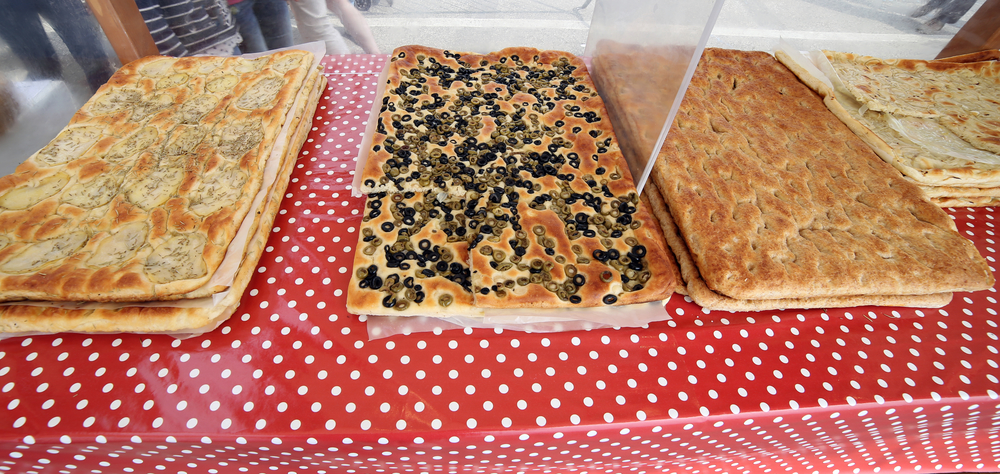
The same dough for homemade pasta is also used to cook delicious “calzoni” stuffed with ham and cheese, the focaccia Barese with olives and cherry tomatoes, and the taralli, a well-known kind of snacks very characteristic of this area.
About the dishes, a very famous recipe is baking dish of potatoes, rice and mussels, that is a pan in which you cooked in the oven all the raw ingredients.
One of the restaurants where you can taste this dish is Paglionico Vini e Cucina, a cozy family-run osteria in via Vallisa 23, where you can pair the dishes with fine local wines, such as Primitivo and Castel del Monte.
Restaurant Facebook Page: www.facebook.com/viniecucinabari.
If you prefer to try the typical Barese focaccia, you have to head to the Panificio Fiore, a small bakery located at Strada Palazzo di Città, 38.
Although Apulia is mainly visited by tourists in the summer, Bari proves that there is always much to see and it deserves an extended stay to discover all its attractions.





I need to check more about this. Seems an interesting place to visit.
Well, now I’ve added a new Cathedral to my bucket list, which is always exciting. Sad to see that the theaters are closing/closed, though – It must have been amazing to see that stretch when they were all open and running.
Bari sounds like a lovely place to visit. I had not even heard of it until today, but now I want to go!