Watch Out For These Christmas Shopping Scams
AD
As the countdown to Christmas begins, many Solihull residents will be searching for bargains online, ordering gifts and tracking deliveries. Unfortunately, the festive season is also one of the busiest times of the year for fraudsters, who use the rush of holiday shopping to catch unsuspecting consumers off guard.
Before filling your basket, here are some of the most common Christmas shopping scams to watch out for this year.
The “Missed Delivery” Text Trap

One of the most common festive scams starts with a text message claiming a parcel couldn’t be delivered. The message typically asks you to click a link and pay a small fee to rearrange delivery.
The problem? The parcel often doesn’t exist. Instead, the fake website is designed to steal personal information or payment details.
If you’re expecting a delivery, always visit the courier’s official website directly rather than using links in unexpected messages.
Bargains That Seem Too Good To Be True
Christmas sales can offer significant savings, but criminals know shoppers are eager to find deals.
Fake websites, social media adverts and spoofed retailer pages frequently promote heavily discounted products that never arrive. If a popular item is being sold for a fraction of its usual price, it’s worth taking a moment to verify the seller before entering payment information.
Social Media Marketplace Scams

More shoppers are buying gifts through Facebook Marketplace and other social selling platforms. While many transactions are genuine, fraudsters often create fake profiles, demand upfront payments or advertise products they don’t actually have.
Whenever possible, use payment methods that offer buyer protection and be cautious of sellers who pressure you into making immediate purchases.
Look Closely At Website Addresses
Many scam websites appear almost identical to legitimate retailers. The logo, colours and product images may look genuine, but the website address often contains subtle misspellings or unusual domain names.
Checking the URL carefully can help you avoid handing over financial details to criminals.
Protect Yourself On Public Wi-Fi
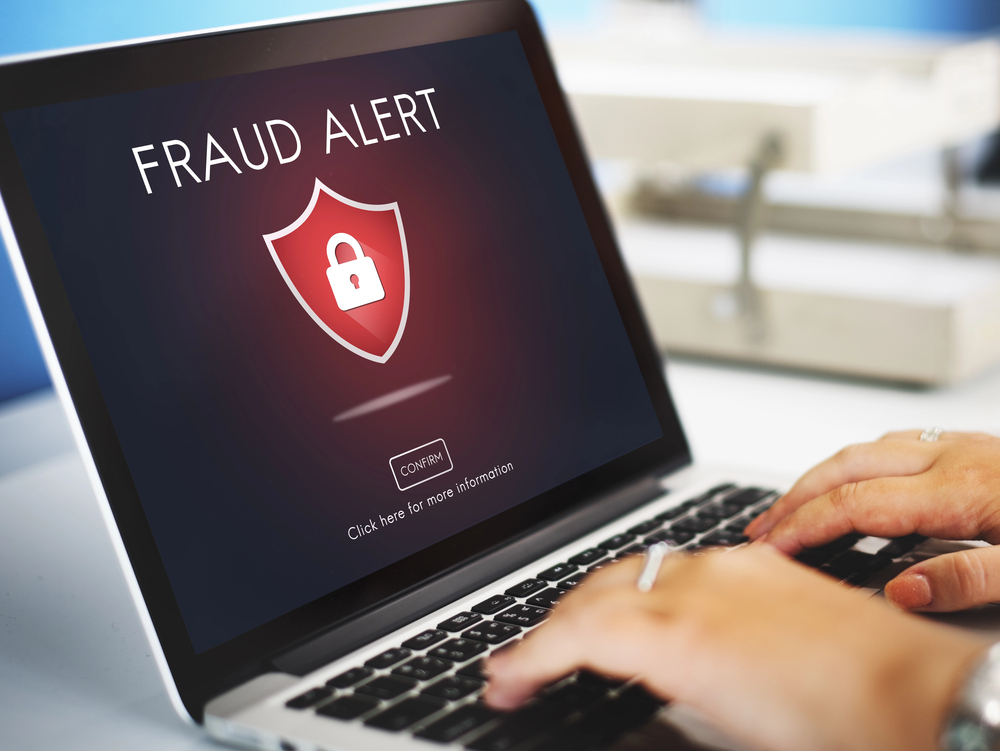
Many people shop online while travelling, working remotely or visiting cafés during the festive season. When using public Wi-Fi networks, it’s sensible to take extra precautions.
If you’re researching what is a VPN vs proxy, it’s worth understanding that both tools can help manage your online privacy in different ways. Regardless of which option you choose, it’s still important to follow other security best practices, such as using strong passwords, enabling multi-factor authentication and relying on secure payment methods when making purchases online.
Beware Of Fake Gift Card Requests
Legitimate businesses, banks and government organisations will not demand payment using gift cards. If someone claims you owe money and asks for a gift card code, it’s almost certainly a scam.
Fraudsters rely on urgency, so take time to verify any unexpected request.
Trust Your Instincts
Scammers often create pressure by claiming offers are about to expire or that immediate action is required. A genuine retailer will still be there after you’ve taken a few minutes to verify a deal.
A little caution can go a long way in ensuring your Christmas shopping remains festive rather than frustrating.
Pin It!





Some great tips. Thanks for posting.