Travel Without the Airport Chaos: Exploring the World by Cruise from the UK
For a lot of people, the idea of going somewhere sounds brilliant until you actually have to get there. Airports, especially, have a way of draining all the excitement out of a trip before it’s even properly started. The queues, the security theatre, the inevitable delays, the alarm going off at half four in the morning – it all turns what should be the beginning of something good into something you just have to get through. If you’re after a slower, less frantic way of seeing places, heading off on a cruise from the UK cuts out a lot of that initial hassle.
Cruises from UK by sea changes how a trip feels right from the start. There’s no mad dash through departures or panic about whether your bag’s going to be three kilos over. Instead, things unfold more gradually. You’ve got time to settle into it, mentally as much as anything else.
The Emotional Weight of Airports

Airports aren’t built for comfort – they’re built to move people quickly. You’re constantly on alert: watching screens, straining to hear garbled announcements, double-checking documents, making sure you’ve still got your passport for the fifth time. Even if you travel regularly, it’s knackering. And during peak times, or when things go sideways, it’s even worse.
For anyone who finds crowds overwhelming, or who’s already running on empty, airports can feel less like a starting point and more like something to survive. You’re on someone else’s schedule the moment you check in, and there’s not much you can do about it.
Cruising takes a lot of that pressure off. Embarkation tends to be calmer, more predictable. Once you’re on board, that constant sense of urgency just dissolves. Travel stops being something you endure and becomes something you’re actually part of.
A Slower Beginning
One of the biggest differences with cruise travel is how it starts. You’re not yanked into the sky and deposited somewhere entirely different a few hours later. Instead, there’s a gentler transition. Watching the coastline fade, seeing the sea open up – it gives you a moment to breathe between normal life and whatever comes next.
That slower start is particularly helpful if you need time to properly switch off. Sea days give you space. You can think, or rest, or do absolutely nothing if that’s what you need. There’s no expectation to be busy or productive, which feels like a relief after weeks of non-stop everything.
Familiarity and Continuity

Starting from the UK also means things feel a bit more straightforward. Getting to the port is usually simpler – clearer timings, fewer unknowns. There’s no language barrier before you’ve even left, no immediate need to work out unfamiliar currency.
One thing that doesn’t get mentioned enough is that your room comes with you. You’re not packing and unpacking every couple of days. The same cabin stays your base whilst everything else changes. Coming back to the same space each evening gives you a bit of routine, even when you’re somewhere completely new. If constant change feels unsettling, that continuity makes the whole experience more manageable.
Reframing the Journey
Cruising also shifts how you think about distance. You’re not measuring everything in flight times and connections. The journey itself becomes part of the experience instead of just an inconvenient necessity. Time at sea acts as a buffer between places, encouraging you to reflect rather than rush.
It makes travel feel less like a transaction. You’re not just focused on getting there. Days are shaped by light and weather and rhythm, not schedules and alarm clocks.
Rest as a Valid Choice
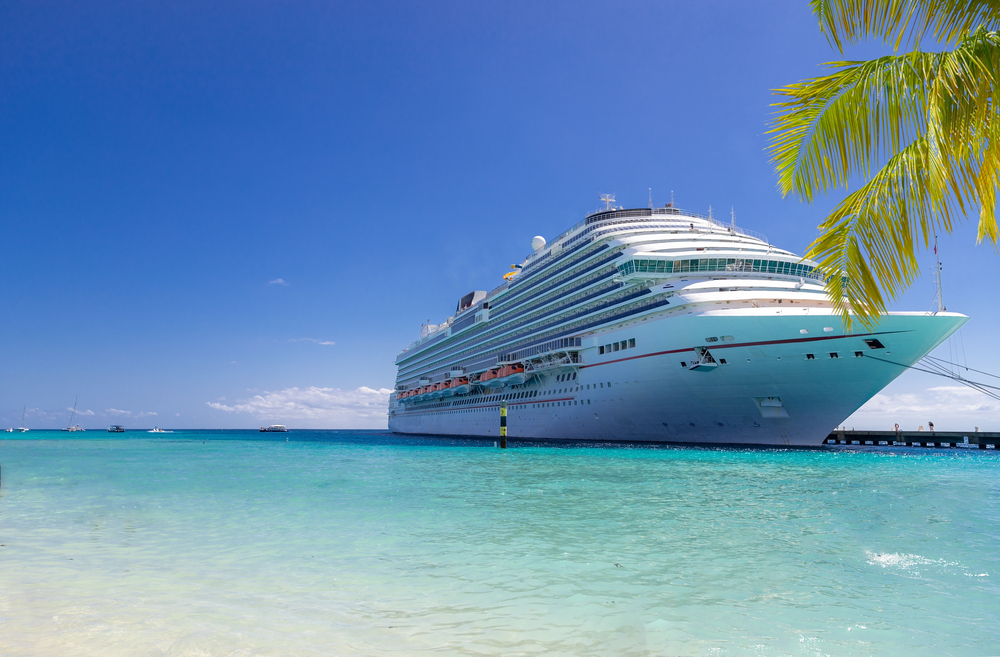
There’s also real flexibility in how you spend your time. Sea days can be as full or as empty as you like. You’re not obliged to constantly explore or squeeze something out of every single hour. Resting is allowed. It’s not a wasted opportunity – it’s just a choice.
For people who often come back from holidays feeling absolutely shattered, that balance is genuinely transformative. Travel becomes restorative instead of exhausting.
Arriving somewhere by ship feels different to arriving by plane, too. There’s less of that frantic need to see absolutely everything immediately because you know exactly when you need to be back. That structure removes some of the decision fatigue. It also means you can be selective – some places deserve hours of wandering, others are better experienced quietly or briefly. Both are fine.
A Different Rhythm
Ultimately, how you choose to travel says something about how you want to experience time and movement and rest. If you’re looking for a calmer alternative to the airport treadmill, starting from the UK by sea offers a gentler rhythm. Travel doesn’t need to begin with exhaustion to be worthwhile. Sometimes, removing the chaos at the start creates space for something deeper – a journey that unfolds at its own pace instead of hurtling you towards the destination.
Pin It!