Top Tips for Selecting Furniture That Matches Your Child’s Personality
Choosing furniture for a child’s room can be a delightful yet challenging task for any parent. With countless options available, it becomes essential to select pieces that not only reflect your child’s unique personality but also ensure longevity and comfort. Opting for high-quality kids’ bedroom furniture can make a significant difference, providing both style and durability in one package. Incorporating elements that resonate with your child’s interests can transform their room into a personal sanctuary.
Consider themes or colours that align with your child’s likes or hobbies. This personal touch not only makes the space more inviting but also encourages creativity and self-expression. Investing in furniture that offers practical solutions like extra storage can keep the room tidy and functional. For those focused on maintaining a harmonious environment, high-quality kids bedroom furniture provides an excellent balance between aesthetics and usability.
Bringing your child’s personality into their room doesn’t have to be overwhelming. By focusing on their interests and the overall functionality of the furniture, you can create a space that is both playful and practical. Thoughtful choices enable a room to grow with your child, accommodating their evolving tastes over the years.
Key Takeaways
- Personalise based on the child’s interests.
- Prioritise durable furniture for longevity.
- Ensure the room remains functional and stylish.
Understanding Your Child’s Unique Personality

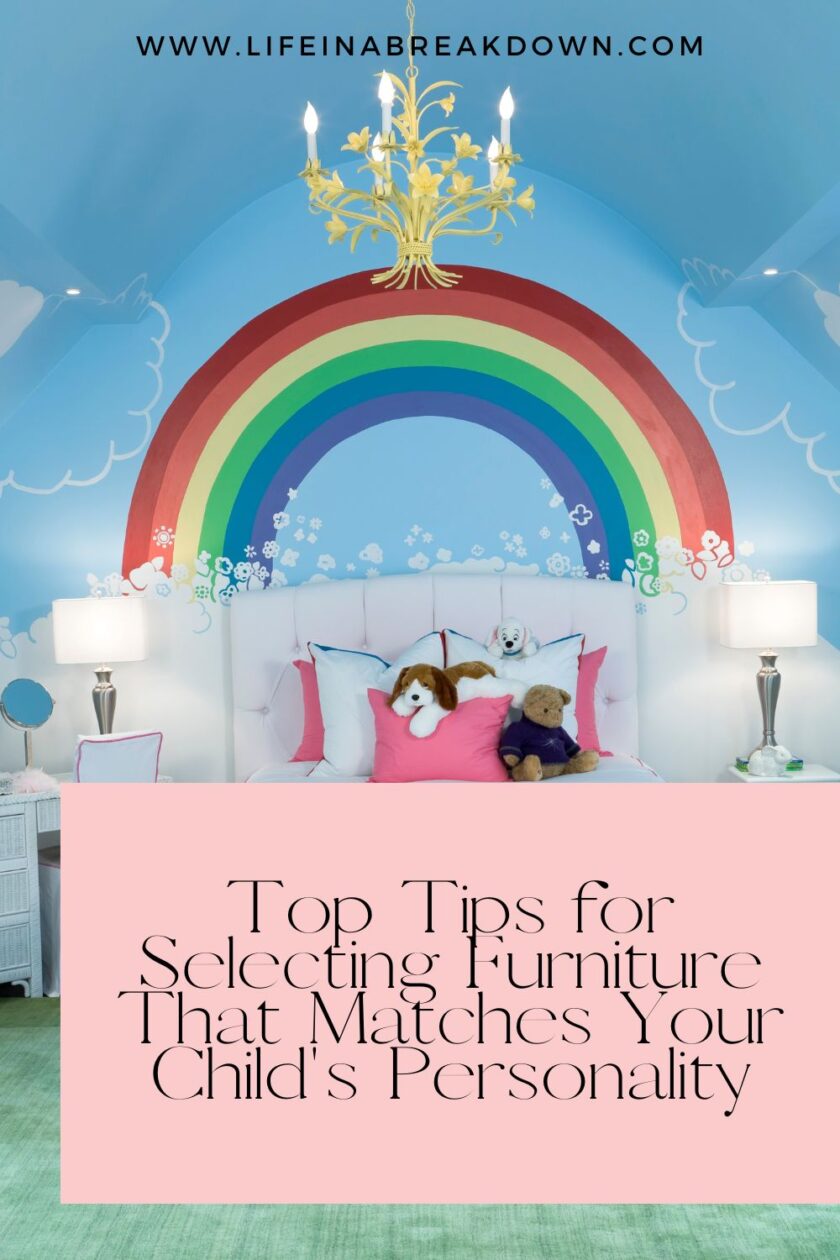
When selecting furniture to match your child’s personality, it’s essential to evaluate their preferences and personal style. This includes considering elements like favorite colours, patterns, and special touches such as artwork or murals that reflect their interests.
Assessing Personality and Preferences
To create a space that mirrors your child’s individuality, observe their interests and behaviors. Are they artistic, adventurous, or book-loving? Speak with them about what they like. Looking at their choice of toys, clothing, and even music can provide insights. A list of activities they enjoy or their favored themes can guide suitable furniture choices, whether minimalistic or vibrant.
The Impact of Colour and Patterns
Colours and patterns in a child’s room are influential. They can affect mood and concentration. Bright, bold colours may energise, while pastels offer calmness. Patterns like stripes or dots can either add excitement or provide a relaxing backdrop, depending on your child’s needs. Selecting paint colours, wallpaper, or murals aligned with their taste can make the space more inviting.
Incorporating Personal Touches and Wall Art
Infusing personal elements through décor can greatly enhance a room’s appeal. Encourage your child to select wall art or decals or even create a mural that resonates with them. Personal touches, such as a favorite character print or a family photo wall, can make the space feel uniquely theirs. This also allows the personality to shine, making their room not just a place to sleep but a personal sanctuary.
Selecting Furniture and Decor for Longevity and Comfort

Selecting furniture for a child’s room should not only meet present needs but also adapt as they grow. Comfort and multiple functionalities play a critical role, ensuring each piece serves more than one purpose and offers long-lasting value.
Choosing Adaptable Furniture for Future Needs
Adaptable furniture is essential for rooms that will evolve with the child. Employing items like adjustable desks and chairs allows for growth, minimising the need for frequent replacements. Convertible beds or cribs that transform into toddler beds exemplify furniture designed with future needs in mind. A modular shelving system enables rearrangement and expansion, adapting to changing storage requirements over time.
Incorporating versatile pieces helps maintain functional space as interests and necessities shift. Select items in neutral colours that match evolving room decor themes, ensuring enduring relevance. Opt for furniture with removable components, such as stackable toy bins or changeable drawer fronts, offering flexibility in personalising and organising over the years.
Maximising Comfort with Proper Upholstery
The role of upholstery in comfort cannot be overstated. When choosing upholstered items like chairs and sofas, prioritise materials that are both durable and pleasant to touch. Fabrics such as cotton or microfiber can provide a comfortable feel while being easy to clean and maintain.
Consider selecting upholstery with stain-resistant features to prolong the lifespan of furniture in environments prone to spills and accidents. Incorporating area rugs adds a layer of comfort underfoot and can be rotated or replaced as needed. The use of cushions and throw blankets further enhances comfort, providing cosy areas for relaxation or reading.
Integrating Intelligent Lighting and Storage Solutions
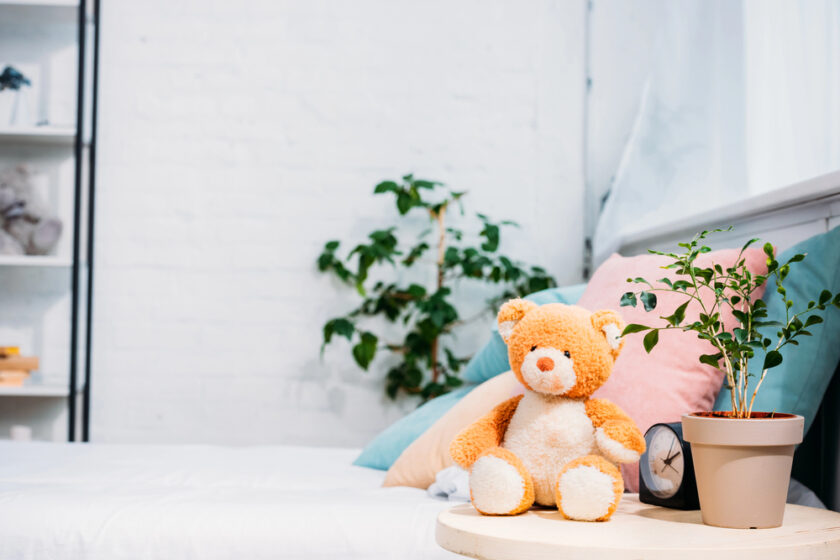
Proper lighting and smart storage solutions significantly contribute to a room’s longevity and comfort. Introducing adjustable lighting options, like dimmable lamps or fixtures, allows for mood adjustments suitable for various activities. The strategic placement of natural light sources, maximised by sheer curtains or blinds, can enhance the room’s atmosphere.
Focus on built-in storage solutions like shelves and closets to declutter while accommodating growing collections of toys and accessories. Toy storage in the form of labeled bins or pull-out baskets can maintain organisation and encourage tidiness. Incorporate decorative elements like themed lampshades or wall decals to personalise the space without the need for large-scale changes.
Conclusion
Selecting furniture that complements a child’s personality involves thoughtful consideration of their preferences and needs. It’s essential to balance style with functionality, ensuring items are both appealing and practical for daily use.
Safety is a crucial factor. Opt for furniture that meets current safety standards and is constructed to withstand energetic use. Sturdy designs with smooth edges are recommended to prevent injuries.
Incorporating a child’s favorite colours and themes can transform their room into a comforting retreat. This personalisation fosters a sense of ownership and belonging, encouraging creativity and relaxation.
Pin It!