Tips for Managing Childcare and Elder Care Together
Life doesn’t come with a manual, but some chapters feel exceptionally complicated, don’t they? Balancing the demands of parenthood while caring for elderly parents can feel like juggling two very different, but equally important, responsibilities. It’s rewarding, no doubt, but also physically and emotionally challenging.
If you’re navigating this balancing act, you’re not alone. Thousands of people across the UK are part of the “sandwich generation,” caring for both younger and older family members. This post will explore practical tips to help you manage your dual caregiving roles, create a smoother daily flow, and encourage independence for your elderly parents with tools like mobility aids and walking aids.
Understanding the Challenges of Dual Caregiving

Before jumping into solutions, it’s worth acknowledging the unique challenges of balancing motherhood with elder care. You might find yourself:
- Splitting your time between school runs and doctor appointments for an elderly parent.
- Managing differing emotional needs, from your toddler’s tantrums to your parents’ fears about ageing.
- Struggling to find a moment of peace for yourself amidst the constant demands.
The truth is, this is a juggling game that requires patience, planning, and a good dose of flexibility.
Why Mobility Aids Are Game-Changing for Elder Care
One of the most impactful ways to lighten the load and foster independence for elderly parents is by equipping them with the right tools, such as mobility aids and walking aids. These tools are not just for physical support; they are symbols of autonomy.
Benefits of Mobility Aids for Elderly Parents:
- Encourage Independence
Tools like frames, walking sticks, and rollators allow elderly parents to move freely without as much assistance. This not only boosts their confidence but also gives you time to focus on other tasks.
- Ensure Safety at Home and Outdoors
Falls can be a major concern. Mobility aids like walkers with wheels or grip-enhanced walking sticks significantly reduce this risk.
- Enhance Quality of Life
With the right walking aid, a quick stroll in the garden or a visit to the shops becomes accessible again. These small, meaningful activities can improve your parents’ physical and mental well-being.
Tips for Balancing Motherhood and Elder Care
Making the balancing act manageable isn’t just about tools; it’s about mindset and strategies.

1. Set Clear Boundaries
It’s hard to be everything for everyone, and setting clear boundaries is vital. Allocate specific times for childcare, elder care, and your personal needs. Communicate these boundaries to your family so they understand expectations.
2. Prioritise Self-Care
It may sound cliché, but looking after yourself is key. Whether that means a 20-minute yoga session, a coffee with friends, or simply sitting down with a good book, prioritise time to recharge. A calmer, happier you will be better equipped to care for others.
3. Lean on Technology
From scheduling apps that help manage doctor appointments to meal delivery services, technology can make juggling easier. Tools like shared family calendars ensure everyone stays on the same page.
4. Invest in Mobility Aids for Elderly Parents
A small investment in walking aids or mobility tools can have a long-term pay-off. Look into rollators for greater mobility or folding walking sticks for outings, ensuring your parent stays independent in various environments.
5. Accept Help
Whether it’s getting a list with another mum or asking a relative to sit with your parent while you run errands, don’t feel guilty about accepting help. The saying goes, “it takes a village,” and that applies to all caregiving roles.
6. Create Routine
Children find comfort in routine, and so do elderly parents. Establishing a daily schedule with set meal times, exercise, or leisure activities can create predictability and reduce stress in your household.
7. Foster Intergenerational Bonds
Bringing your generations together can create beautiful moments. Encourage your children to spend time with their grandparent. Whether it’s baking cookies together or sharing family stories, this can strengthen family bonds while easing some of your responsibilities.
Mobility Aids to Consider for Elderly Independence
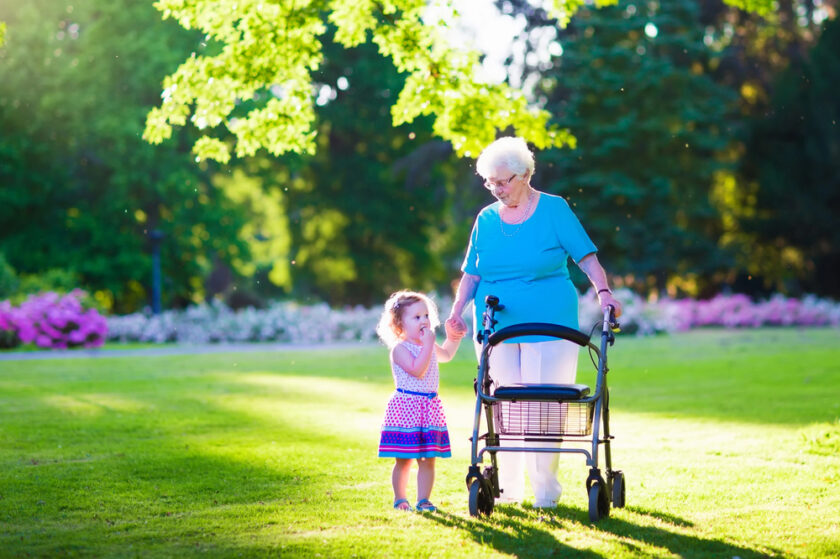
There is no one-size-fits-all solution when it comes to mobility aids. Selecting the right option depends on your parent’s specific needs:
- Walking Sticks
Lightweight and easy to carry, walking sticks are ideal for those who only need minimal support. Look for adjustable-height sticks with ergonomic grips to ensure comfort.
- Rollators
Often equipped with a seat and storage basket, rollators are brilliant for longer outings, offering both support and convenience.
- Walking Frames
For those requiring significant stability, walking frames provide sturdy support both at home and outdoors.
- Stair Lifts
If stairs are a challenge, installing a stair lift can significantly improve mobility and make life easier for everyone.
Managing Guilt and Building Resilience
One of the heaviest weights for caregivers is guilt. You might feel like you’re never fully present for either your children or your parents. But remember, you’re only human.
Here are quick reminders to manage guilt and foster resilience:
- Celebrate small wins, whether it’s a successful school run or a pleasant outing with your parent.
- Remind yourself of the good you’re doing, even if it feels invisible in the moment.
- Seek community support. There are plenty of online forums and local support groups where caregivers share advice and stories.
Build a Supportive Routine That Works for You
Balancing parenthood with elder care is no small feat, but with the right mindset, tools, and community connections, it’s entirely possible. Whether by setting boundaries, equipping your elderly parent with mobility aids, or creating shared family moments, every little step counts.
Pin It!