The Problem With Calling Disabled People ‘Sickfluencers’
Over the past week or so, I’ve seen the word “sickfluencer” popping up more and more, and honestly, the whole conversation has been playing on my mind.
It seems to have really taken off following a recent Telegraph article about disability and chronic illness becoming something of a trend online.
I’ve been blogging for over 16 years now, and during that time I’ve spoken pretty openly about my mental health, chronic illness and disability. So, as you can probably imagine, I have a lot of feelings about this.
Because when did talking about being ill or disabled online suddenly become a bad thing?
Yes, People Lie Online
Let’s get this out of the way first.
I’m not going to sit here and say that nobody lies about being ill. Of course they do.
People lie, exaggerate and make things up in every walk of life, and the internet certainly isn’t an exception. I also have a huge problem with people knowingly sharing medical misinformation or pretending to have illnesses they don’t have.
But that doesn’t mean we should start looking suspiciously at everyone who talks about being ill or disabled online.
And that’s where this whole “sickfluencer” conversation starts to bother me.
Why Online Spaces Work for So Many Disabled People

I actually don’t think it’s particularly surprising that so many people with chronic illnesses and disabilities have turned to blogging, online work or social media.
And really, it makes a lot of sense.
Working online can be incredibly flexible, which is exactly what some of us need.
Life in a Break Down is a huge example of that for me.
When I started blogging, I was in a really bad place. I honestly didn’t think I would ever work again.
My life was basically moving from my bed to the sofa and back again, while Ash had to do pretty much everything.
Then blogging came along.
At first it was just something to do, but it gave my brain something to think about and gave me a reason to keep going. Slowly, over time, it also started bringing in an income.
There wasn’t a particular day when I suddenly thought, “I’m well enough to work now!”
I’m not.
What I found was a type of work I could fit around my health.
If I plan to work tomorrow and wake up to my body saying absolutely not, I don’t have to work.
If I wake up exhausted, spend most of the day doing very little and then suddenly feel OK enough at 10pm to answer a couple of emails, I can do that.
There was a time when I was publishing five posts a week. These days I generally work on Life in a Break Down a couple of days a week and sometimes manage a day on Word Soup as well.
I’ve also got much better at doing things in bulk when I’m feeling OK, and I work from my phone a lot more because it’s easier for me to lie down than sit at the computer.
I’ve had to change the way I work as my health has changed.
Surely finding a way of working that actually fits around a disability should be seen as a positive thing?
Blogging Eventually Helped Me Come Off ESA
Over time, Life in a Break Down grew enough that I eventually came off ESA.
I wish I could say that happened because I got better, but it didn’t.
It was much more gradual than that, and in the end the push came when I was going to have to move from ESA onto Universal Credit.
I just couldn’t face going through another assessment.
There is something incredibly difficult about having to sit there and explain everything that’s wrong with you, all the things you can’t do, why you need help and why you can’t just live and work in the way most other people do.
I still receive PIP, so assessments and reviews are unfortunately still part of my life. I find them gross, humiliating and incredibly distressing, and the effects aren’t limited to the assessment itself. I struggle in the run-up to them and afterwards as well.
I’m not going to disappear down the PIP rabbit hole here because I’ve realised I probably have a whole other post in me about that.
But I do think it’s relevant that PIP isn’t an out-of-work benefit. It’s intended to help with the extra costs that can come with living with a disability or long-term health condition.
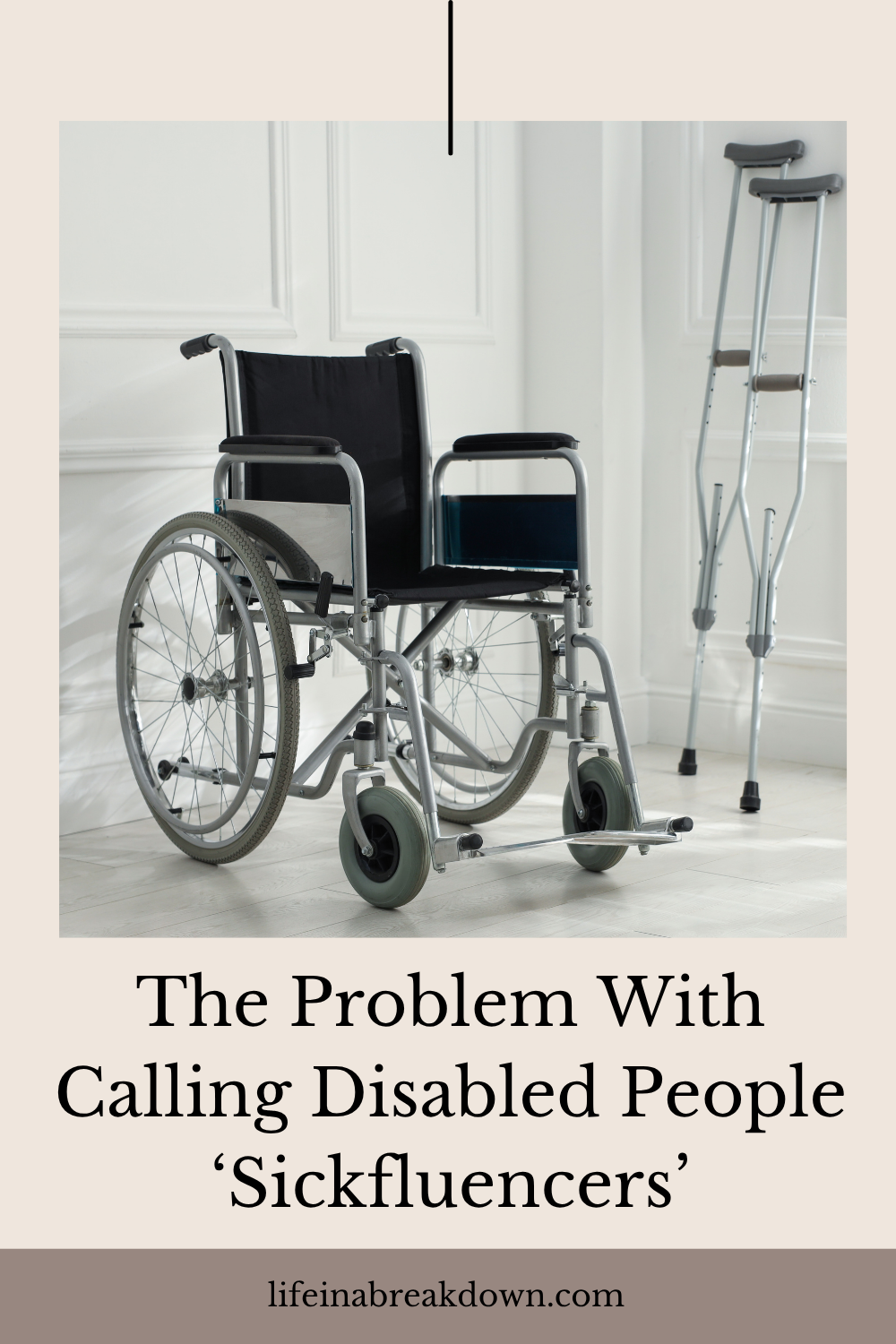
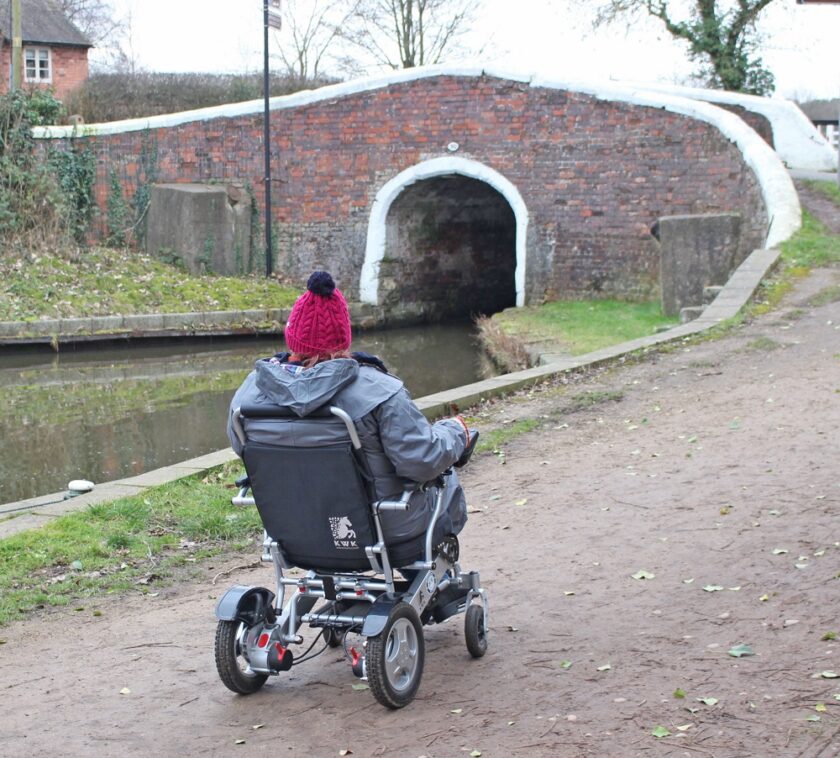
I have insurance for my wheelchair, for instance.
That’s probably not something you’d even think about unless you suddenly needed it yourself.
Nobody is sitting there excited about buying wheelchair insurance. It’s just part of the cost of being able to live my life.
Social Media Only Shows You a Moment
I think this is another really important part of the conversation.
It is incredibly easy to look at what someone shares online and think you know what their life looks like.
But you’re seeing moments.
You might see me publish a blog post on a day when I’m actually doing terribly. That doesn’t mean I’ve sat at my computer and written it that morning.
I schedule things. I work ahead when I’m able to. I do an awful lot from my phone while lying down.
The same goes for seeing someone with a chronic illness having a lovely day out.
You’re seeing that moment.
You don’t know what it took for them to get there, how much help they needed or whether they’ll spend the next few days recovering.
And they shouldn’t have to show you.
Nobody should have to upload the bad bits afterwards just to prove that the good bit you saw was allowed.
I’ve Learnt So Much From Other Disabled People Online

This is perhaps the part of the “sickfluencer” conversation I struggle with most.
Finding other disabled and chronically ill people online can be incredibly helpful.
Sometimes you get diagnosed with something and it feels a bit like you’re told:
“Yep, you’ve got this. Off you go!”
Then you’re left trying to work out what that actually means for your everyday life.
HSD has been a big one for me. I’ve learnt so much from other people living with it online, probably more about the everyday reality of it than I ever have from professionals.
Sometimes it’s even helped me realise that something I’d never connected to HSD is something lots of other people with it experience too.
That doesn’t mean I think TikTok should replace your GP.
Please don’t do that.
But there’s a huge difference between somebody giving medical advice and somebody saying, “I have this condition too and this is what happens to me.”
Sometimes finding another person who says, “Oh yes, mine does that too!” is a massive relief.
It helps you understand yourself a little better and makes you feel less alone.
We Aren’t All Going to Experience Disability the Same Way
I think this gets forgotten online far too easily.
A lot of chronic conditions exist on a spectrum, and even people with exactly the same diagnosis can have completely different experiences.
Something I can do might be impossible for someone else. Something I struggle with might not bother them at all.
Even what I can do isn’t necessarily the same from one day to the next.
So seeing somebody with your condition doing something you can’t do doesn’t mean their experience is any less valid than yours, or yours any less valid than theirs.
We need to leave room for people’s experiences to be different.
Sometimes Being Open Comes Back to Bite You
Talking about your health online also means giving people information about you that they can choose to use in ways you never intended.
I learnt that one the hard way.
Years ago, someone brought up my mental health during a discussion about me on a large online forum.
It was completely irrelevant to what was being talked about, which was mostly about money, but suddenly my mental health was being dragged into it.
The moderators eventually removed it.
I can sort of laugh about it now, but at the time it really affected me.
I’d spoken about my mental health because it was part of my life and because I hoped that being open might help someone else feel less alone.
I hadn’t spoken about it so somebody could pick it up and throw it back at me later.
But I also don’t think the answer is for us to stop talking.
I Don’t Want to Hide Because I’m Disabled
I think this is what I’ve been trying to get to throughout this whole post.
I don’t like the term “sickfluencer” because it takes a huge group of completely different people and lumps them together under a dismissive label.
For the vast majority of us, having a chronic illness or disability isn’t something we chose or wanted.
But when it happens, you have to find some way of living with it.
You learn about your body. You learn what you can and can’t do. You find things that make life a little easier and, hopefully, you find other people who understand some of what you’re going through.
Sometimes you talk about it online.
That doesn’t mean you’re making illness fashionable.
It means you’re talking about your life.
And that’s what I think gets lost in all of this.
If we don’t work, we’re judged for that. If we find a way to work around our disabilities, that can be questioned too. If we talk about being disabled, we’re “sickfluencers”, but if we go out and have a good day someone might decide we don’t look ill enough.
What exactly are we supposed to do?
I don’t want special permission to have a life because I’m disabled.
I just want to have one.
Life in a Break Down has given me something I genuinely didn’t think I’d ever have again. It’s allowed me to work in a way my body can cope with, use my brain, connect with other people and earn money.
Some days I can do more than others. Some days I can’t do anything at all.
That’s what living with chronic illness looks like for me.
Someone else’s version might look completely different, and that’s OK.
We shouldn’t have to disappear in order to be believed.
Pin It!