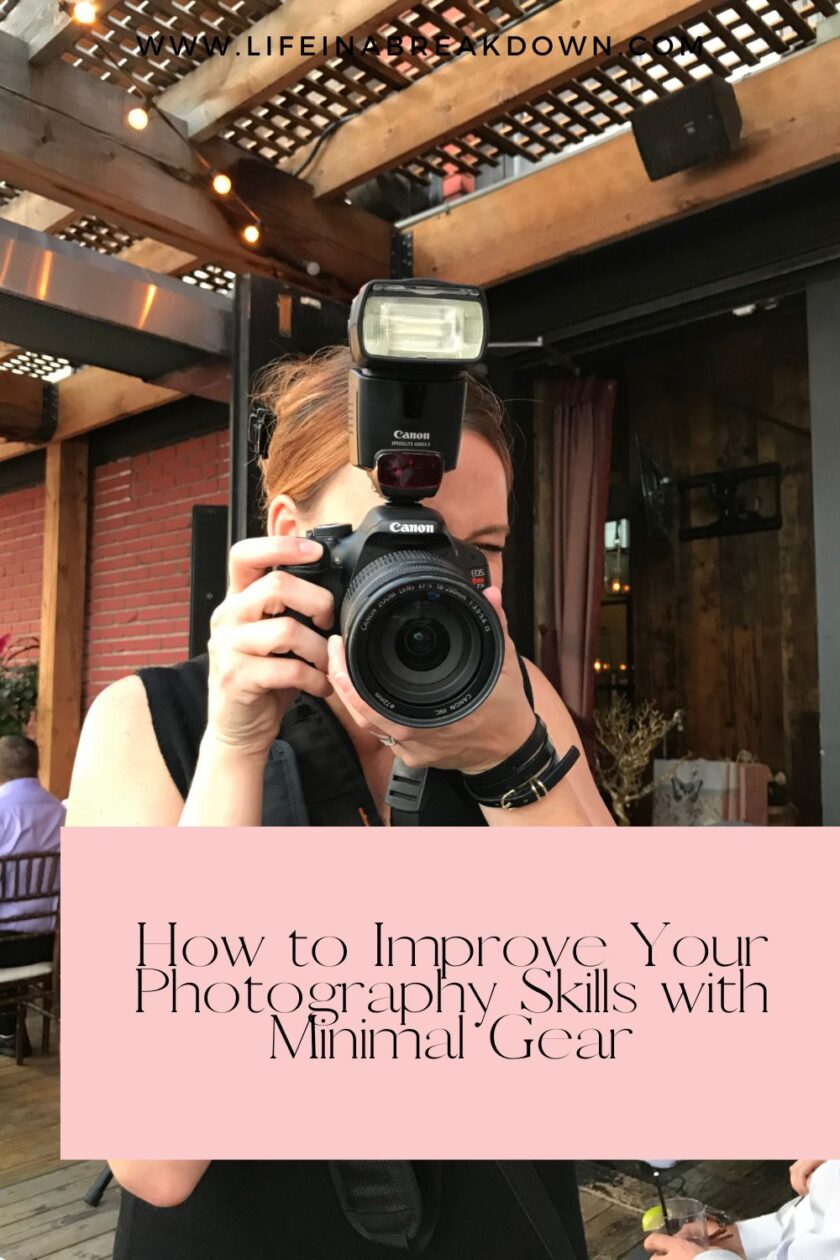
How to Improve Your Photography Skills with Minimal Gear
Photography is much like capturing a fleeting scent in a bottle; it’s about seizing a moment and making it last forever. For aspiring photographers and enthusiasts eager to improve their photography skills, the good news is that you don’t need a treasure trove of expensive equipment to do so. Because it’s not about the quantity of your tools but the quality of your vision. With a few essential photography tips, even beginner photographers can transform everyday scenes into stunning visual narratives. Let’s explore practical tips on getting the most out of the gear you already own or are considering.
Maximising Smartphone Capabilities

Smartphones have transformed into powerful tools for photography. Harnessing their capabilities can elevate your images without extra gear. Start by exploring the manual settings in your phone’s camera app, such as exposure and focus controls. This allows for greater creative control.
Next, consider using third-party apps to expand your phone’s capabilities. Apps like Lightroom or VSCO offer advanced editing tools to refine your shots. Additionally, using natural light effectively can enhance your smartphone photos significantly.
For real-world examples, many photographers have created stunning portfolios using just their phones. They focus on composition and lighting, proving that minimal gear isn’t a limitation. Experiment with angles and perspectives to discover your style.
Finally, remember that a steady hand or a small tripod can make a world of difference in sharpness.
Beginner-friendly Digital Cameras
For those looking to step beyond smartphones, beginner-friendly digital cameras offer excellent quality without complication. Cameras like the Fujifilm X100V are compact yet powerful, ideal for those new to photography.
Key features to look for in a beginner camera include ease of use, compact size, and robust automatic modes. Automatic modes allow you to focus on learning composition and lighting rather than technical settings initially.
When choosing a camera, consider your specific needs. Do you prefer a lightweight model for travel or one with interchangeable lenses? These factors can guide your decision.
Explore options that fit your budget and shooting style. The goal is to find a camera that encourages you to shoot often.
Essential Accessories for Beginners
While minimal gear is the focus, a few essential accessories can enhance your photography experience. Start with a basic tripod. It stabilises your camera for low-light conditions or long exposures, ensuring sharper images.
Another useful accessory is a remote shutter release. It allows you to take photos without touching the camera, reducing the risk of blur. Additionally, consider investing in a basic cleaning kit to maintain your gear’s condition.
For more creative control, a polarising filter can be beneficial. It reduces glare and enhances colours, especially in outdoor settings. Remember, the goal is to complement your gear without overcomplicating your setup.
Creative Uses of Limited Equipment
Creativity often thrives under constraints, and photography is no exception. Using limited equipment forces you to think outside the box. Focus on composition and storytelling rather than gear.
Photographers such as Diane Arbus are often cited as an example of how powerful imagery comes less from technical complexity and more from the photographer’s choice of subject and perspective. Her work shows how a strong personal vision can transform simple, unembellished scenes into compelling visual narratives.
For instance, use natural frames like windows or arches to add depth. Play with shadows and reflections for unique perspectives. These techniques shift the viewer’s focus to your subject, not the gear.
Real-world example: Many professional photographers use minimal gear to challenge their creativity. They emphasise narrative by focusing on the story behind each photo rather than technical perfection.
- Look for unique angles
- Experiment with different times of day
- Use the environment to your advantage
Mastering the Basics: Understanding Your Camera Essentials
To make the most of your camera, it’s important to understand its basic features. Aperture, shutter speed, and ISO are the core elements of photography. They control exposure and impact the look and feel of your photos.
Aperture affects depth of field. A larger aperture (smaller f-number) creates a blurred background, ideal for portraits. Shutter speed controls motion. A fast shutter freezes action, whereas a slow one can create motion blur.
ISO influences sensitivity to light. Lower ISO settings are preferable for bright conditions to avoid noise. Higher settings are useful in low light but can introduce grain. Learning to balance these settings is key to mastering your camera and taking better photographs.
Composing the Perfect Shot
Composition is the art of arranging elements within a frame. It’s a powerful way to draw attention to your subject and tell a story. The rule of thirds is a fundamental concept. Imagine your frame divided into nine equal parts. Positioning your subject along these lines or intersections creates a balanced, engaging photo.
Leading lines and symmetry are also effective. Roads, paths, or fences can guide the viewer’s eye to the focal point. Symmetry can create harmony and balance, especially in architecture and nature shots.
Consider background and foreground elements. They can add context and depth to your images.
Exploring Lighting Techniques

Lighting is a critical aspect of photography. It defines mood, depth, and atmosphere. Natural light is an accessible resource. The golden hours, shortly after sunrise and before sunset, provide soft, warm light that enhances images.
Experiment with artificial lighting like lamps or flashes to create different effects. Diffusers can soften harsh light, adding a more natural look to your photos. Reflectors are useful for directing light onto the subject, reducing shadows.
Photographers often play with shadows and highlights to add drama. Understanding how light interacts with your subject can transform an ordinary photo into something extraordinary. Ultimately, mastering lighting techniques is essential for creating dynamic, impactful images.
Developing Your Unique Style
Photography is as much about practice as it is about theory. The more you shoot, the more you learn. and develop your unique style. For this, analyse your interests and influences. What themes or subjects attract you? These preferences can guide your style development.
Explore different genres like portraiture, landscape, or street photography. Each offers distinct challenges and opportunities to express your vision. Reviewing and critiquing your work helps identify patterns and preferences.
Learning from Photography Challenges
Challenges push you out of your comfort zone and accelerate learning. Participate in photo challenges that encourage creativity. They often have themes or constraints, inspiring new ways of thinking. For instance, take a 30-Day Photo Challenge:
- Day 1: Black and white
- Day 10: Street photography
- Day 20: Minimalism
- Day 30: Self-portrait
Completing a challenge builds confidence and reveals strengths and weaknesses. It also expands your portfolio with diverse subjects and styles.
Building a Consistent Photography Routine
A regular routine helps integrate photography into your daily life. Start by setting realistic goals. Decide how often you’ll shoot—daily, weekly, or monthly—and stick to it. Consistency breeds improvement.
Schedule dedicated time for photography. This could be a daily walk with your camera or a weekend photo session. Building a routine ensures continuous practice, leading to sustained improvement in your skills using minimal photography gear.
For more tips, check out this guide.
Pin It!