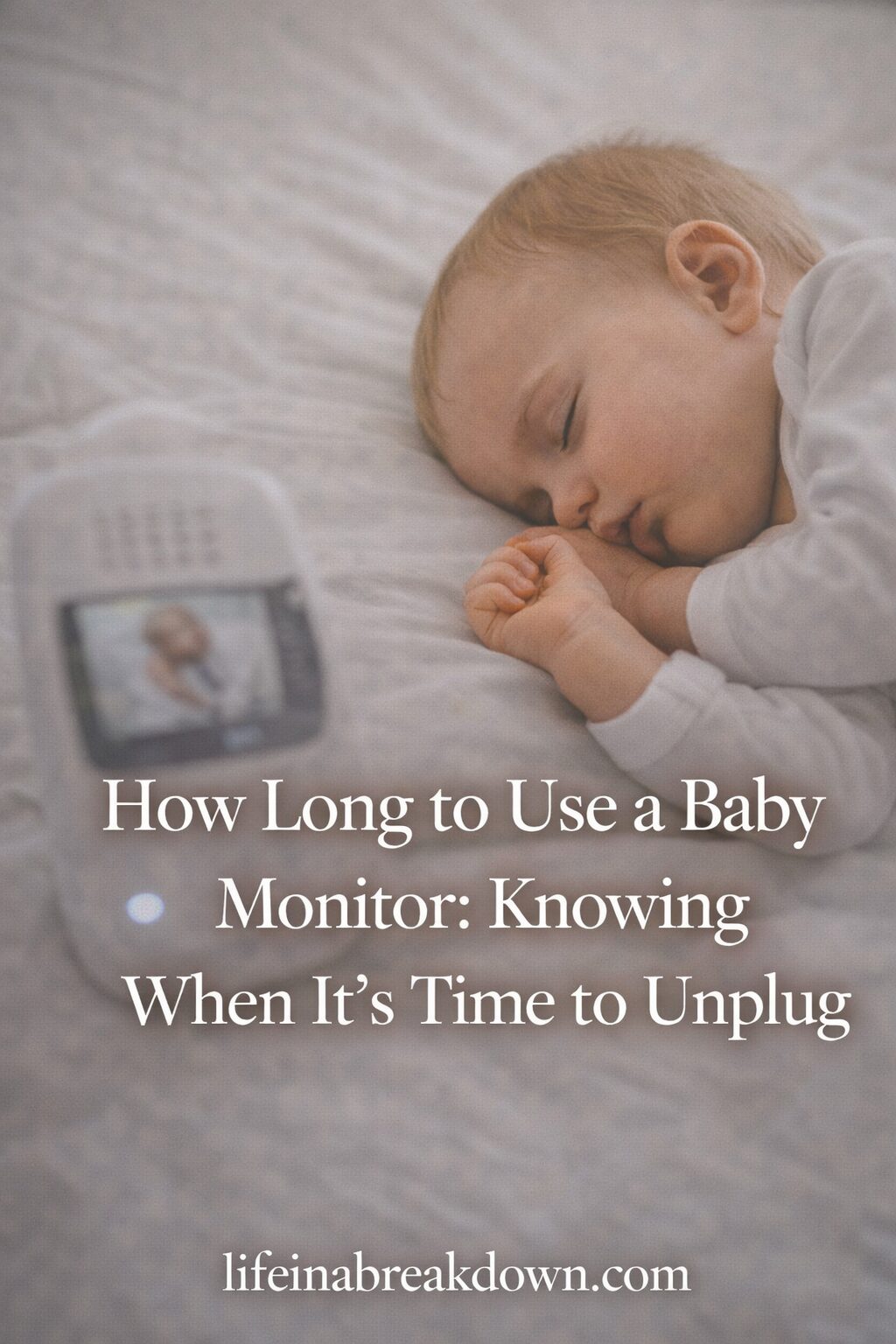
How Long to Use a Baby Monitor: Knowing When It’s Time to Unplug
For many parents, a baby monitor is more than just a gadget it’s a lifeline that brings peace of mind during the early months of parenthood. But as your little one grows, you might start wondering: How long should I keep using a baby monitor? The answer isn’t one-size-fits-all. It depends on your child’s developmental milestones, home setup, and even your own comfort level.
If you’re looking for reliable options, consider the baby monitor from Momcozy a smart and safe choice designed to help parents stay connected without over-monitoring. This guide will walk you through each stage of your baby’s growth to help you decide when it’s time to reduce dependence on the monitor and how to do it gradually.
There’s no universally agreed-upon age for when to stop using a baby monitor. Some parents pack theirs away after the first year, while others keep it running until preschool. What matters most is how secure both you and your child feel without it.
Factors like sleep habits, health concerns, and your home layout all play a role. If your baby is still waking frequently, moving to a larger room, or recovering from illness, it makes sense to keep monitoring a bit longer.
The Infancy Stage: When Constant Monitoring Is Most Essential

In the newborn to 12-month stage, a baby monitor can be a true safety companion. During this period, babies have unpredictable sleep patterns, frequent night wakings, and greater vulnerability to health concerns such as breathing irregularities.
A baby breathing monitor can be particularly helpful during this stage — it tracks your baby’s movements and alerts you to irregular breathing patterns. This reassurance allows you to rest more peacefully while still ensuring your baby’s safety.
Developmental Milestones: Communication and Mobility as Key Indicators
Your baby’s growth can serve as a guide for how long to use a baby monitor.
- 6–12 months: Babies start rolling, sitting, and crawling. Monitors help ensure they’re safe during naps or quiet time.
- 12–18 months: As toddlers learn to stand and walk, visual monitoring can help prevent climbing accidents.
- 18–24 months: By now, your child can usually communicate discomfort or needs through sounds or words, reducing your reliance on constant monitoring.
By age two, most parents start using the monitor selectively — primarily during naps or at night.
Factors Beyond Age: Home Layout, Sibling Sharing, and Health Needs
Your living environment plays a big role in deciding when to stop using a baby monitor.
- Distance matters: If your child’s room is far from yours, a monitor remains useful for hearing cries or nighttime calls.
- Shared rooms: If your child shares a room with a sibling, the need for a monitor may decrease sooner.
- Health conditions: For babies with respiratory issues, preterm birth, or reflux, continuing to use a monitor can provide critical reassurance and safety.
Every household is unique what works for one family may not be ideal for another.
Risks of Over-Monitoring: Anxiety, Privacy, and Stunting Independence
While monitors provide peace of mind, prolonged reliance can sometimes create the opposite effect — parental anxiety. Constantly checking the screen or reacting to every movement may prevent you from resting properly.
Additionally, as your child grows older, continuous surveillance can affect privacy and independence. Toddlers and preschoolers benefit from learning self-soothing and nighttime independence. Balancing safety and trust helps promote healthy development.
Assessing Parental Readiness: When the Monitor Causes More Anxiety Than Peace
Ask yourself: Does the monitor help me feel calmer or more anxious?
If you find yourself waking to every sound or obsessively checking the monitor even when your child sleeps soundly, it may be time to take a step back.
Try these strategies:
- Reduce usage gradually: Start by turning off video mode at night.
- Trust your instincts: You know your baby’s usual sleep sounds and breathing patterns better than any device.
- Limit check-ins: Set specific times to check rather than monitoring continuously.
The Gradual Phase-Out: Practical Strategies for Transitioning Away

Transitioning away from the baby monitor doesn’t have to be abrupt. The goal is to maintain peace of mind while encouraging independence.
Here’s a safe step-by-step approach:
- Step 1: Start with naps. Leave the monitor off during daytime naps to get comfortable with the idea.
- Step 2: Keep the monitor on at night but reduce volume sensitivity or video checks.
- Step 3: Move toward using only audio mode or a basic alert system for specific concerns (e.g., crying or movement).
- Step 4: Once your child is old enough to call out or come to you when needed, it’s safe to retire the monitor completely.
Tip: If you still want a safety net, use a baby breathing monitor that tracks movement passively instead of providing constant live video.
Alternative Tools: Moving from Constant Monitor to a “Call for Help” System
As your child grows, replace constant video monitoring with age-appropriate safety methods.
- Toddler monitors: Some models include two-way talk features so your child can call you when needed.
- Open-door policy: Leaving the door slightly ajar allows you to hear nighttime noises naturally.
- Night lights: Soft lighting can comfort toddlers transitioning away from monitored sleep.
- This shift encourages autonomy while maintaining your ability to respond quickly if needed.
Summary
There’s no definitive timeline for how long to use a baby monitor; every child and family is different. In the first year, consistent monitoring (especially with a baby breathing monitor) offers essential reassurance. But as your baby grows, learns to communicate, and gains independence, it’s natural and healthy to rely on the monitor less and less.
Eventually, you’ll find that confidence replaces constant observation. Transitioning away from a monitor isn’t just a milestone for your baby, it’s one for you too. Knowing your little one can sleep safely and independently means you’re both ready for the next stage of growth, trust, and restful nights.
Pin It!