Essential Home Adjustments That Make Caregiving Life Easier
With today’s ever-evolving world of caregiving, creating a comfortable and adaptable setting is not all about safety features but also about promoting independence while being able to maintain the dignity and emotional well-being of caregiving recipients.
Whether you are beginning your caregiving journey or looking to improve what you already have, this guide will help you discover innovative ways of creating a space that comfortably balances personalisation, comfort and safety to serve the needs of all.
Safety and Prevention as a Priority

Caregiving in the modern day has become more advanced with the incorporation of cutting-edge technology that prevents mishaps while providing comfort to the caregivers and recipients. Building a safe home for your recipients begins with important safety solutions that safeguard your clients.
Including a dependable GPS tracker for the elderly in your caregiving kit is bound to change the way you detect and respond to possible crises with real-time alerts and location data that would allow you to have a timely response.
The effect of planned home safety interventions reaches years into the future. When safety interventions are implemented early, functional decline slows dramatically. These interventions provide a base for long-term functionality and lessen the risk of falls.
Safety elements to consider in your caregiving space include:
- Motion-sensitive nightlight for night use
- Non-slip mats and grab rails within the bath/shower area
- Well-lit streets with no obstacles that you might fall over on
- Open space emergency response systems
These are interventions that are put in place not only to support the caregivers but also to allow care recipients to comfortably go about their day’s activities.
Escalating Physical Environment for Maximum Comfort

Creating an accessible living space begins with great furniture choices that fit caregivers and recipients. A professionally designed room with sturdy couch options has the potential to impact daily life and remain safe for those with mobility issues.
Strategically planned furniture reduces physical effort while maintaining independence among the recipients. Physical modifications in the home environment go a long way towards increasing safety.
Recent studies by the National Centre for Biotechnology Information have shown that cautious modifications can significantly reduce the risks of falls while improving the recipients’ self-esteem.
By giving priority to accessibility options for all, you will create an environment where both care recipients and caregivers can thrive while maintaining their independence and dignity.
Personalised Planning for Flexible Spaces
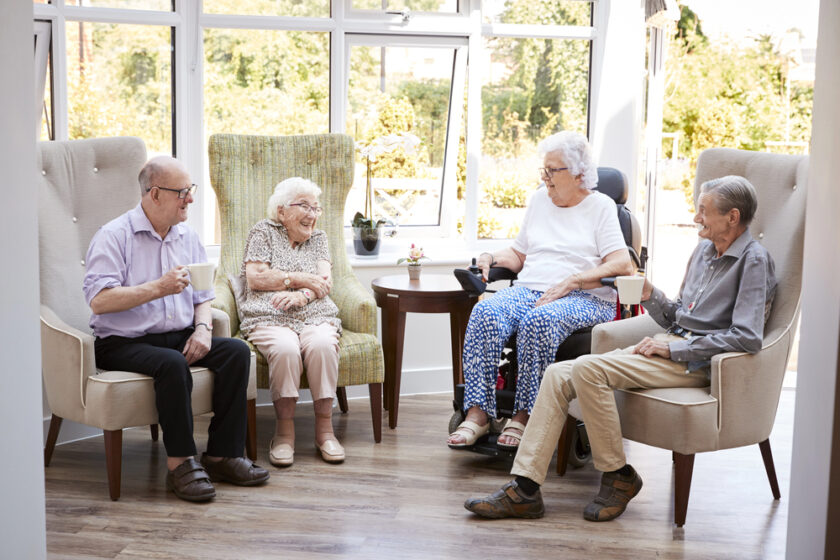
One has to consider specific demands and the daily activities of the occupants when designing customised living spaces. Appropriate assessment by a professional guarantees formulation of customisation demands while taking into account mobility and placement of medical supplies, among other things.
Home modifications can reduce the demand for care at home by up to 46 percent, which shows the value of good choices. There can be rooms designed to promote independence with safety as a priority under expert advice.
Individualised approaches allow families to develop a living arrangement that supports daily life without encroaching on dignity. Individualised modifications allow for the creation of a balanced environment where functional care needs and individual interests are guarded.
Enablement of Emotional Well-Being and Dignity
Creating a comfortable environment for the home is more than physical adaptations; it’s about creating spaces that are about emotional comfort and personhood. Personal items can create a sense of belonging and identity within care recipients.
Personal items create an environment that’s less caregiving-focused and cause one to think of a loving, rich home where everyone should reside. The appropriate environmental adjustments have the potential to diminish the levels of stress between care recipients and caregivers quite dramatically.
Little things, such as consistency of daily routines and privacy boundaries, go a long way. Consider redecorating to include quiet spaces where individuals can spend time alone, at close, safe supervising distance.
Enhance emotional well-being by including the following thoughtful spaces, detailed below:
- Individual spaces for individual hobbies and activities
- Seating arrangements that enable sociability
- Peaceful areas for meditation or reflection
- Personal items and decorations that add beauty
- Lit passageways that promote independence
The best caregiving environments find a middle ground between protection and autonomy. When the recipients feel their own desires are being met, they’re less likely to lose emotional balance.
A positive environment promotes trust and preserves the relationship, making a home less stressful for everyone.
Finding Daily Balance for All Household Members

Making a healthy home which caters to the needs of all family members is crucial and challenging.
A healthy home will be capable of expanding with evolving care needs as well as integrating into the pattern of daily living of all family members.
Using adaptable furniture items and adaptable rooms, you will create a space that integrates caregiving needs and household activities on a day-to-day basis.
Living rooms must be multi-functional without sacrificing one’s comfort or independence. A couch can convert a room into a communally shared space that works perfectly for everyone. Proper furniture choice provides functional multi-purpose spaces that accommodate most daily activities.
How to design equilibrium living rooms that benefit everyone:
- Design quiet spaces with specific spaces for concentration and rest
- Design shared space that can be readily converted into many uses
- Offer movable furniture and dividers to quickly re-arrange the space
- Include storage units with sanitary products kept tidily but easily accessible
An evenly proportioned living environment depends on open communication among members. Frequent open communication about space sharing and planning can prevent conflicts and satisfy all members’ requirements.
Response to feedback and satisfaction with small changes guarantees a tranquil environment where caregivers and care recipients flourish while accommodating members’ preferences.
Designing Care Spaces for Dignity and Comfort
Creating an accessible living space is less about putting in safety devices or rearranging furniture than creating a space that can give caregiving recipients room to maintain their dignity. Through deliberate selection of design, technology, and adaptations specially designed for the recipients, families can redefine their house to be a care-rich home in harmony with the physical and mental well-being of the entire family.
Pin It!