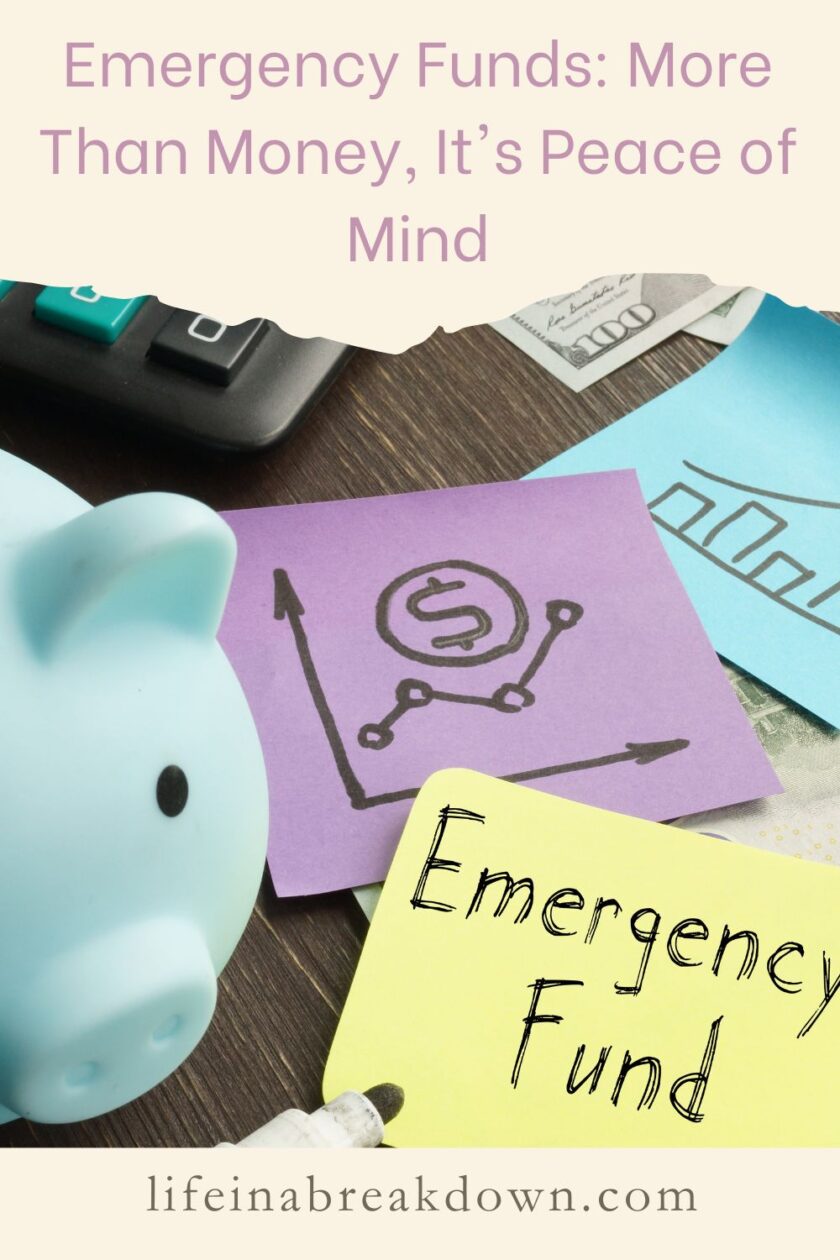
Emergency Funds: More Than Money, It’s Peace of Mind
Ever found yourself staring down a beast of an unexpected bill? Yeah, we’ve all been there. That’s where the superhero of savings swoops in – the emergency fund.
This stash isn’t just a pile of greenbacks; it’s your financial bunker for when life decides to throw a curveball. It’s not about if you’ll need it, but when. And trust me, when that moment comes, you’ll want nothing more than to high-five yourself for thinking ahead.
The Safety Net You Didn’t Know You Needed
Think of your emergency fund as a personal safety net, woven tight with cash instead of rope. It’s there to catch you when the ground suddenly disappears from beneath your feet – think job loss, medical emergencies, or those pesky car repairs that come out of nowhere like ninjas in the night.
So how does one start constructing this financial fail-safe? It all begins by squirrelling away little acorns of cash into a dedicated savings account. This isn’t about amassing a fortune overnight; it’s more like building a dam one stone at a time before the floodwaters rise. And they will rise.
By consistently setting aside part of your paycheck – no amount is too small – you’re laying the foundation for peace of mind. Each deposit is like adding another layer to your stress-repellent shield because believe me, there’s no superhero quite like knowing you’ve got funds ready to weather any storm. Even on a student budget, there’s room to keep some cash for emergencies.

The “How Much?” Dilemma
Alright, let’s tackle the big question that’s probably tapping on your brain: “Exactly how chunky does this financial cushion need to be?” Well, there’s no one-size-fits-all answer here. Most money-savvy folks might nudge you to aim for three to six months’ worth of living expenses. But hey, if that sounds as daunting as climbing Mount Everest in flip-flops, don’t freak out.
You can customize your emergency fund target based on your unique life scenario – like a tailor fitting a bespoke suit. Flying solo? Maybe the lower end will do. Do you have a family or working in a more ‘roller-coaster ride’ kind of job market? Then puffing up that safety net makes more sense, and still allows you to have fun.
Whatever amount you decide on, it’s all about creating a buffer zone between you and life’s slapshots so that when financial pucks come flying at you, you’re ready to catch them without breaking a sweat (or the bank).
Stashing the Cash: The Smart Way
Now that you’ve got a number in mind, it’s time to figure out how to feed your emergency fund without feeling the pinch too hard. Automate, automate, automate – seriously, it’s like the slow cooker of saving money.
Set up an automatic transfer from your checking account right into your emergency savings. It’s like playing a sneaky game of hide and seek with your money; if you don’t see it, you won’t spend it.
But let’s get real – sometimes the piggy bank is on a diet and there isn’t much left to sneak away after bills gobble up your paycheck. Cue side hustles and savvy saving swaps!
Whether that means flipping thrift store finds for a profit or swapping out some luxuries for budget-friendly alternatives (looking at you, homemade coffee over barista brews), these moves can fatten up your emergency fund quicker than you’d expect. And remember: every buck counts because when things go sideways financially… boy oh boy, having that extra padding in place is gonna feel sweeter than scoring free concert tickets!
Weathering the Emotional Storm
Let’s not gloss over it — financial stress is a beast. It’s like this annoying background noise that can crank up to deafening volumes when cash gets tight. So while you’re stocking up this money for a rainy day, don’t forget about protecting your mental health too. There’s no harm in getting prepped on the emotional front.
That’s right, alongside having an emergency fund, ensure you’ve got access to resources that keep your headspace in check. Feeling frazzled? Sometimes bouncing thoughts off of friends doesn’t cut it and you might need professional insights without draining your wallet. These days, you can obtain insurance coverage for online therapy, making it affordable, convenient, and discreet.”
Keeping those stress levels managed is crucial; after all, building resilience both financially and mentally means you’ll be ready to face pretty much anything life decides to toss at you – while keeping calm and carrying on!

The Unseen Perks of Being Prepared
So we’ve got our emergency fund ticking away, and that’s awesome. But there are a couple of sneaky side benefits to this whole preparedness gig that often fly under the radar. First off, your stress-o-meter is likely taking a nosedive, because psychological comfort is the new black when it comes to personal finance.
Then there’s this sweet sense of empowerment — who knew being a responsible adult could feel so good? Having cash on standby means you’re calling the shots if life tries to get tricky with surprise expenses. It’s like having VIP access in a club where financial woes are left standing behind the velvet rope.
And let’s not forget about how being proactive with an emergency fund can sometimes stop problems before they even start. Like fixing that small leak in your roof now rather than waiting for it to become Niagara Falls in your living room later — preventative measures save money (and headaches) down the line!
In essence, think of it as nurturing a garden instead of just planting seeds and hoping for the best. Your future self will thank you — probably with a toast raised during a worry-free retirement party (to which your emergency fund is getting an invite).
The Bottom Line
So there you have it, the lowdown on why an emergency fund is pretty much the unsung hero of your financial saga. It’s not just about cushioning falls; it’s about giving yourself the freedom to breathe easy in the face of life’s chaos.
Keep building that fund and remind yourself it’s more than a number in your bank account — it represents time, options, and stability when you need them most. Embrace the peace of mind that comes from being prepared. With each contribution, take pride in knowing you’re investing in the ultimate wealth: a stress-free future.
Pin It!