Confessions of Shopping Ultra-Fast Fashion: The Good, the Bad, and the Impulse Buys
AD – This is a contributed post.
I have a bit of a complicated relationship with SHEIN. Some days I’m scrolling through the app thinking, “Okay, this is actually kind of genius,” and other days I’m side-eyeing my cart like do I really need another £7 top that might fall apart after two washes?
If you have ever fallen into that late-night scroll spiral, you know exactly what I mean.
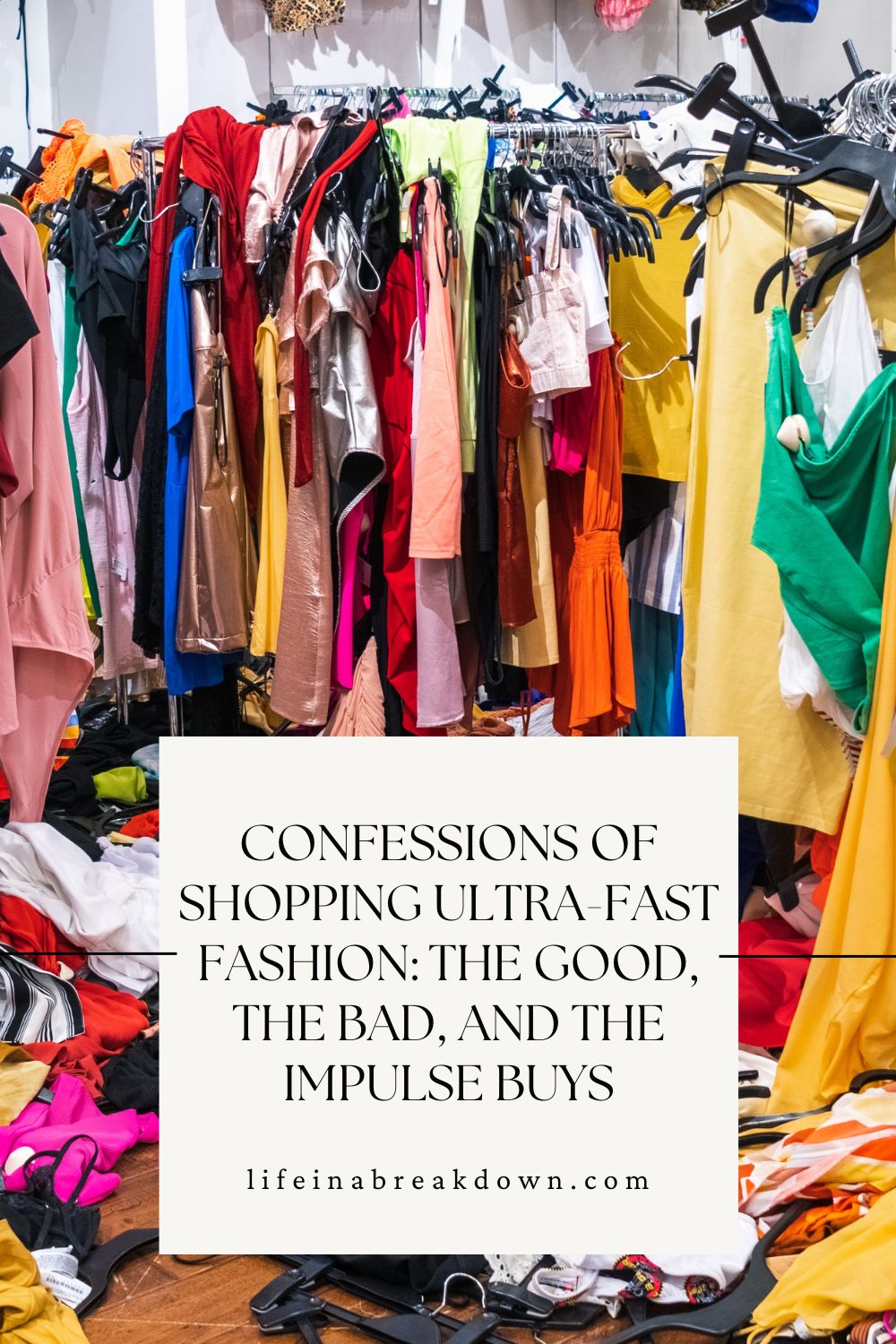
SHEIN is not just another online clothing store. It’s more like a machine. Fast, relentless, weirdly addictive. New styles show up constantly, like blink-and-you-miss-it. You open the app on Monday, see something cute, hesitate, and by Wednesday, it’s gone or buried under 300 new arrivals. That urgency? It’s not accidental.
Honestly, most people miss this: speed is the whole point.
The brand thrives on impulse. You’re not supposed to think too long. You’re supposed to feel something like “this is cute,” “this is cheap,” “why not?” and hit checkout before your brain catches up.
And yeah, it works.

I remember my first order. I told myself I would just get one or two things to “try it out.” Ended up with eight items. Eight. And somehow it still felt like I hadn’t spent that much, which is exactly how they get you. Individually, everything seems harmlessly priced. Together? Different story.
But let’s be fair for a second. There’s a reason this brand has exploded the way it did.
Accessibility is a big one. Not everyone can afford high-end fashion or even mid-range brands. This brand has made trendy clothing ridiculously accessible. You want to try a style you are not sure about? You don’t have to commit £3000; you can test it for a fraction of that.
That’s powerful.
Especially for younger shoppers. Students, people experimenting with their style, anyone who doesn’t want to drop serious money on something they might hate next month. In that sense, this brand feels almost freeing.
But then comes the other side of it. And it’s hard to ignore once you start thinking about it.
The quality? Hit or miss. Mostly miss, if we’re being honest.
I’ve had tops that looked exactly like the photos, fit perfectly, felt decent, and survived multiple washes. And then there were pieces that, yeah. Not great. Weird stitching, fabric that felt like it might dissolve in water, sizing that made no sense whatsoever.
You kind of learn to read between the lines. Reviews become your best friend. Real customer photos? Even better. If a product doesn’t have reviews, I usually just scroll past. Not worth the gamble.
And sizing. Don’t trust your usual size blindly. Ever. Their measurements can be all over the place. One medium fits like a glove, another feels like it belongs to a completely different human.
It’s a bit of a game, honestly.

Now let’s talk about something people don’t always want to bring up: ethics. Yeah, I know. It gets uncomfortable.
Fast fashion, by nature, has issues. SHEIN just happens to be one of the biggest players in that space. The speed at which they produce clothing raises a lot of questions about labour conditions, environmental impact, and all of it.
I’m not going to pretend I have a perfect answer here. I still browse. I still occasionally buy. But I think it’s worth being aware of what you’re participating in.
Maybe that means buying less. Being more selective. Not treating clothes as completely disposable.
Because it’s easy to fall into that mindset with prices this low. You think, “Oh, it’s just ₹500, no big deal.” But multiply that across millions of people, constantly buying and discarding
it adds up. Fast.
Another thing I have noticed is that this brand is weirdly good at making you feel like you’re curating your personal style, when in reality, a lot of people are buying from the exact same pool of trending items.
You see a top on Instagram. You search it. There it is. Thousands of people have already bought it. And suddenly your “unique find” isn’t so unique anymore.
Not necessarily a bad thing. Just interesting.
It makes me wonder how much of our style is actually ours, and how much is shaped by algorithms feeding us what’s already popular.
And those recommendations? Scarily accurate.
You click on one oversized hoodie, and suddenly your feed is full of them. Different colors, slightly different cuts, all tempting enough to make you think, “Maybe just one more.”
That’s where discipline comes in. Or at least, an attempt at it.
I’ve started asking myself simple questions before checking out. Do I actually need this? Will I wear it more than once? Does it go with anything I already own?
Sometimes the answer is yes. Often it’s not.
And when it’s not, I try to close the app. Not always successfully, but hey.

Shipping is another thing worth mentioning. It’s not instant. You’re usually waiting a bit, depending on where you are. That delay can either build excitement or make you completely forget what you ordered.
I’ve had packages arrive where I genuinely didn’t remember half the items inside. That’s both fun and slightly concerning.
Returns? They exist, but they’re not always as smooth as you’d hope. It’s not like walking into a store and handing something back. There’s a process, and sometimes it’s just easier to accept the loss and move on.
Which, again, probably isn’t accidental.
If you have been searching for it, you have probably noticed how often it pops up. There’s a reason for that. Their marketing is everywhere. Social media, influencer hauls, and discount codes are constantly floating around.
It creates this sense that everyone is buying from them. And when it feels like everyone is doing something, it becomes a lot easier to join in without overthinking it.
I have definitely been influenced by those massive haul videos. You watch someone unbox 20 items, trying them on, reacting in real time, it’s entertaining. It makes you want that experience too.
But what those videos don’t always show is what happens after. How many of those pieces actually get worn regularly? How many end up forgotten in the back of a closet?
That part is less glamorous.
Still, I can’t deny the appeal. There’s something oddly satisfying about finding a piece that looks way more expensive than it actually is. When it works, it really works.
And when it doesn’t go well, you kind of expected that risk going in.
So where does that leave us?
Somewhere in the middle, I guess. SHEIN isn’t purely good or purely bad. It’s a tool. A very effective one. How you use it that’s on you.
If you go in mindlessly, yeah, you’ll probably end up with a pile of clothes you don’t care about. But if you’re a bit more intentional and selective, you can actually find some decent pieces without completely wrecking your budget.
Would I recommend it? Depends on the person.
If you’re easily tempted, maybe proceed with caution. If you enjoy the hunt, the trial and error, the occasional win, you might actually have fun with it.
Just don’t expect perfection. Or sustainability. Or consistency. It’s fast fashion, after all. Not magic.
Pin It!