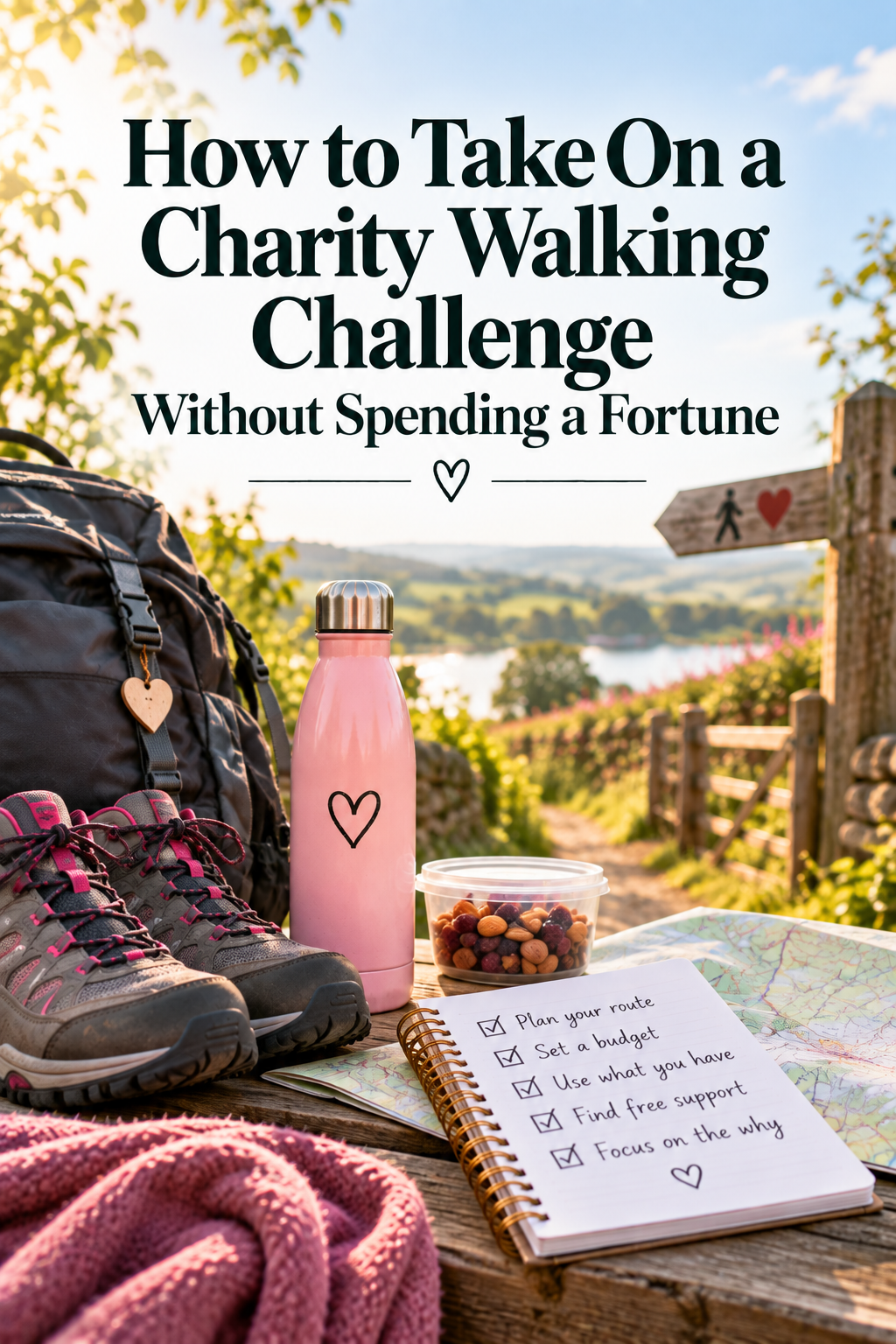
How to Take On a Charity Walking Challenge Without Spending a Fortune
Charity walking challenges have become hugely popular across the UK. From 26 mile night walks to the Yorkshire Three Peaks and coast-to-coast treks, there’s something for almost every fitness level and every cause. They’re a fantastic way to raise money for a charity close to the heart, and the benefits for mental health can be just as meaningful as the physical ones.
What often catches people out is the cost. Between kit, travel, entry fees and food, it’s easy for a good cause to turn into an expensive one. With a bit of planning though, it’s possible to take on a challenge without the bank balance taking a hit.
Choose the Right Challenge
Not every challenge suits every person, and picking one that matches current fitness is the first step to actually enjoying it. A 10km or half marathon distance walk is a great starting point for anyone new to longer distances. Full marathon walks and multi-peak challenges need much more training and preparation.
Entry fees vary widely too. Some organised events charge a registration fee plus a minimum sponsorship target, while self-organised challenges cost nothing to enter at all. Walking a local long-distance path over a weekend and setting up an online fundraising page is just as worthwhile as a big organised event.
Fuel Without Overspending

On walks of five hours or more, energy levels can dip surprisingly quickly, especially on hilly routes. Packing plenty of food is essential, and it doesn’t all need to come from specialist shops. Homemade sandwiches, bananas, nuts and a bag of jelly sweets will cover most of what’s needed. Many walkers also carry a few sports gels as a backup for when energy drops sharply, as they’re small, light and quick to take without stopping. Buying multipacks rather than single sachets usually brings the price down, and it’s worth trying a couple on training walks to see which flavours sit well.
Water is the other big one. A reusable bottle or hydration bladder filled up at home saves buying bottled water along the route, and a few electrolyte tablets can help on warmer days.
Kit Doesn’t Have to Be Brand New
Walking boots or trail shoes are the one bit of kit worth spending properly on, as blisters can end a challenge quicker than anything else. Even then, last season’s models are often heavily discounted online, and outdoor shops regularly run sales.
For everything else, it’s worth looking at what’s already in the wardrobe. Leggings, sports tops and a lightweight waterproof jacket will do the job for most challenges. Charity shops, second-hand selling apps and local community groups are brilliant for picking up rucksacks, walking poles and base layers for a fraction of the price. Borrowing from friends who’ve done similar events is another easy way to cut costs.
Training on a Budget
Training for a walking challenge is about as affordable as exercise gets. Local footpaths, canal towpaths and parks provide plenty of variety, and there’s no gym membership required. Gradually increasing the length of weekend walks over a couple of months is the best way to build stamina, and fitting in shorter walks during the week keeps things ticking over.
Joining a local walking group can be a great way to stay motivated and discover new routes, and many are completely free.
Look After Mental Health Along the Way

Walking has long been linked to better mental wellbeing. Time outdoors, regular movement and having a goal to work towards can all help with stress and low mood. For many people, taking on a challenge for a cause they care about adds an extra layer of meaning.
That said, it’s important not to let a challenge become a source of pressure. Fundraising targets can feel stressful, especially when money is tight for friends and family too. Being honest about goals and not comparing totals with others helps keep the focus where it belongs, on doing something positive. Every pound raised makes a difference, however modest the final figure.
It’s also fine to adjust plans if life gets in the way. Injury, illness or a tough patch mentally are all good reasons to scale back, and most charities are incredibly understanding about it.
Keep Travel Costs Down
Getting to the start line can be one of the biggest hidden expenses, particularly for events in the Lake District, the Yorkshire Dales or Eryri. Car sharing with other participants, booking trains well in advance and staying in hostels or campsites rather than hotels can all make a big difference. Some events also offer organised coach travel from major cities, which can work out cheaper than driving.
Choosing a challenge closer to home is the simplest way to avoid travel costs altogether, and there are brilliant routes in almost every corner of the UK.
However it’s tackled, the most important thing is crossing that finish line knowing it was done for a good reason, and without a mountain of debt to show for it.
Pin It!