How to Create a Garden Space That Works for the Whole Family
Lawns are one of those things we often have simply because they’ve always been there. But when did you last stop and think about how much you actually use yours?
That’s the bit nobody tells you about gardens. We spend so much time getting them to look right that we forget to ask whether anyone’s using them.
A garden that only earns its keep in July, for maybe six weekends a year, isn’t really doing its job. It should be pulling weight in October too. In February, even.
Getting more from your outdoor space isn’t necessarily about having the biggest budget. It’s about thinking about what you actually need the space to do
Start by Thinking About How Your Family Uses the Garden

Before anything gets bought, dug up, or planted, it helps to just watch. What actually happens out there right now? Maybe it’s fifteen minutes with a coffee before the start of the day.
Maybe it’s someone dialling into work calls from a deckchair because the kitchen’s too loud. Maybe it’s a football that ends up in next door’s begonias once a week.
Write it down. All of it, even the stuff that feels too small to matter. Relaxing, gardening, kids’ play, entertaining, working from home, pets corner, whatever hobby someone’s currently obsessed with.
Patterns show up once it’s on paper that you’d never notice otherwise, and that list is a far better starting point than scrolling through other people’s gardens online, because their needs may be completely different to yours.
Create Different Zones Without Making the Garden Feel Crowded
Zoning sounds like something you’d need a design degree for, but it’s really just about giving each activity its own bit of ground. A seating area near the back door.
A play space further out where a stray ball won’t take out a plant pot. A planting bed somewhere it’ll get proper sun. None of it requires walls.
What separates the zones can be as simple as a change underfoot. Gravel instead of paving. A low run of lavender instead of a fence.
These small shifts tell your brain “this is a different bit of garden” without anyone needing to explain it. Storage matters here too. A pile of bikes and half-deflated footballs dumped in the middle of a zone undoes all that careful planning in about four seconds.
Consider a Flexible Garden Room
This is the part worth spending real time on, because it’s where a garden stops being decoration and starts being useful square footage.
A decent garden room isn’t a glorified shed. It’s an office on a Tuesday, a reading spot on a wet Saturday, somewhere the kids can paint without anyone worrying about the carpet.
Palmako builds timber garden rooms with exactly this kind of flexibility built in, insulated well enough for winter and roomy enough to shift purpose as life shifts around it.
Worth a browse if you’re weighing up options: this collection covers everything from compact studios to something more indulgent.
The real value is in how a room like this ages. A home office now might end up being your teenager’s escape from the family in a few years. Try putting a price on that kind of usefulness. You can’t, really.
Choose Materials That Work With the Garden

Structures and planting get treated as separate projects far too often. They shouldn’t be. Timber weathers alongside greenery in a way that feels natural rather than bolted on. Stone paths and low walls add texture without much upkeep in return.
It depends on the garden, though. A modern, minimal build looks out of place next to overgrown cottage planting, and vice versa. Take some time to look around your garden before choosing anything. Note what’s already thriving. Build from there instead of against it.
Make the Space Useful Beyond the Summer Months
A garden that shuts down the moment the clocks change is only half a garden. Insulation, decent lighting, and some heating stretch its useful life into October, November, even midwinter if you’re determined.
Ventilation matters just as much, particularly if the space doubles as somewhere paint fumes or damp gear need to go.
Weather protection doesn’t need to be elaborate. A simple awning or a covered walkway adds months of usable time without much fuss.
And comfortable furnishings make the real difference; cushions that haven’t turned to ice by six in the evening tend to get sat on. If you want to see how a properly specified garden building copes with these demands year-round, read more about the range built for exactly that.
Don’t Forget Practical Storage
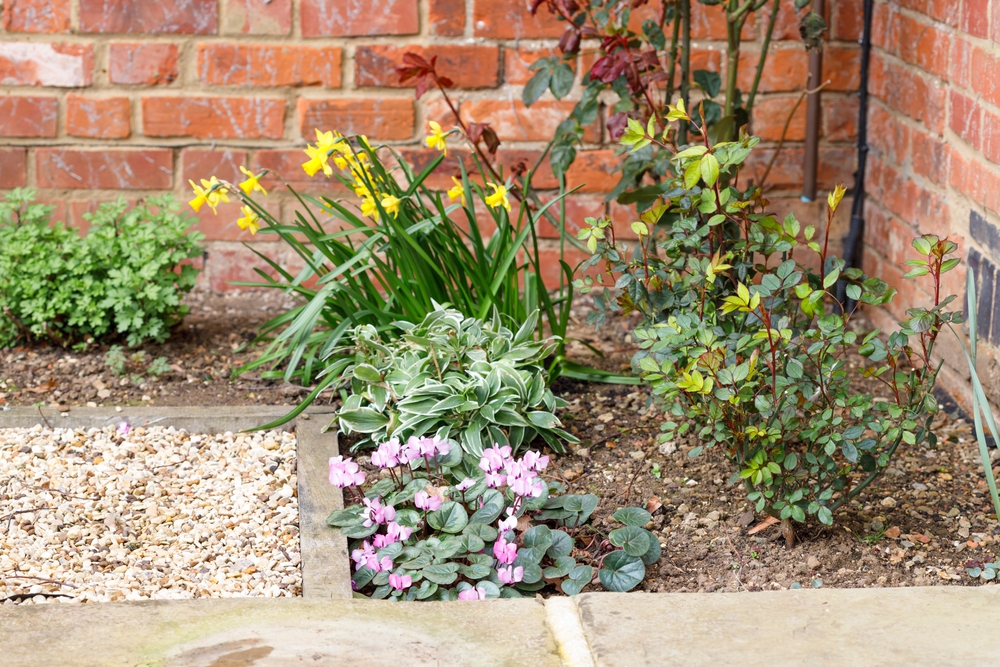
Storage never gets the credit it deserves. Bikes, garden tools, seasonal furniture, and children’s outdoor toys all need somewhere to live that isn’t scattered across the lawn.
Tuck a proper storage unit along a fence line or behind some planting and the rest of the garden suddenly reads as intentional rather than chaotic. It’s a small decision that changes how “finished” everything feels, even when nothing else has moved.
Design With the Future in Mind
Things change fast; working arrangements shift, hobbies arrive out of nowhere and vanish just as quickly. The gardens that hold up over time are the ones built with a bit of give, a room that can be repurposed, a layout that isn’t locked into one permanent shape.
None of this needs to happen at once, and it shouldn’t. The best family gardens aren’t the biggest ones on the street. They’re the ones that quietly make room for whoever’s actually living in the house, and for whoever they turn into next.
Pin It!