Supporting Others in Your Community and Beyond
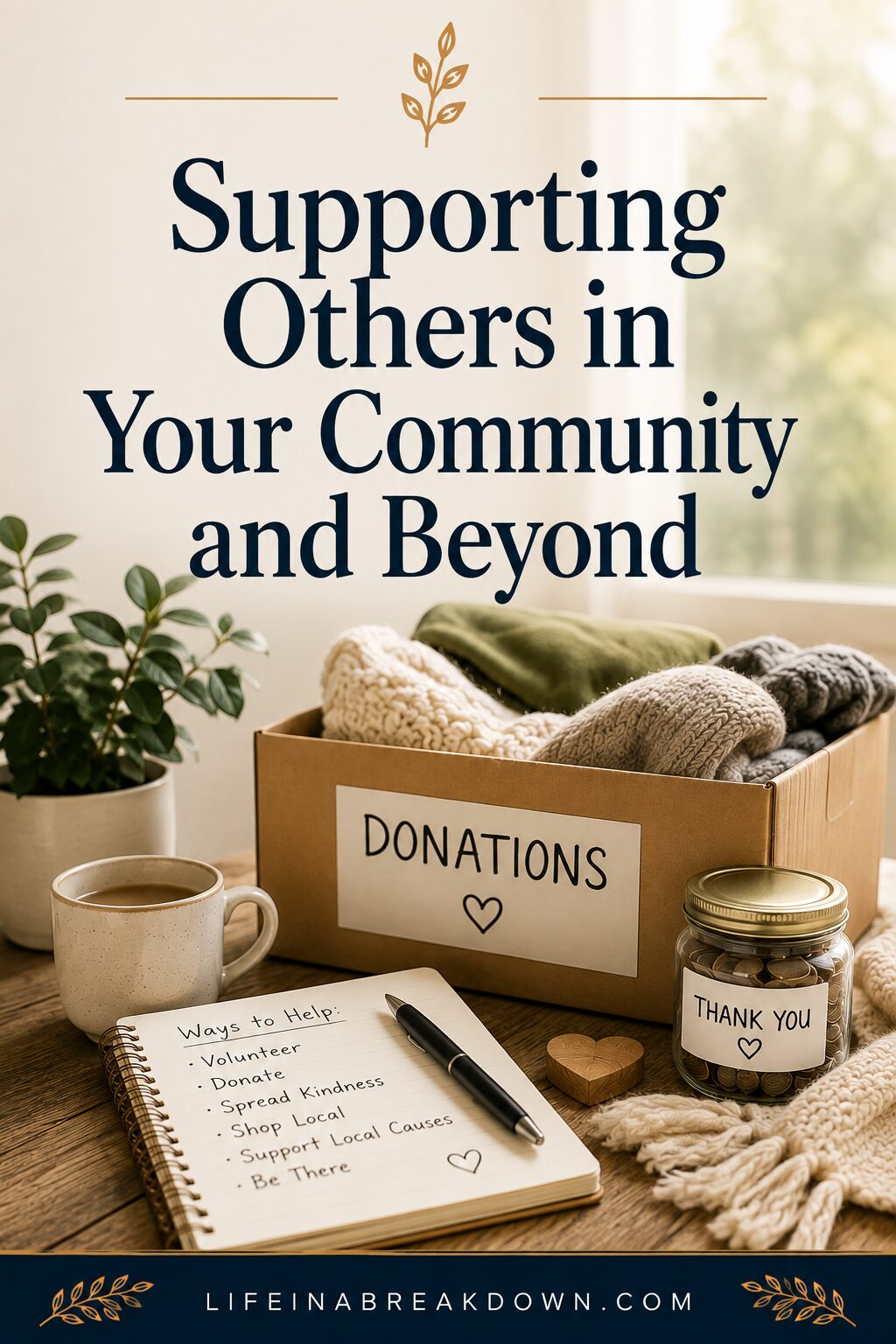
Supporting others is a fundamental part of any healthy community, whether it’s checking in on a neighbour, listening to a friend, or volunteering for a local cause. Many of us want to help, but good intentions alone don’t always lead to meaningful assistance. Offering advice too quickly or saying the wrong thing can leave someone feeling misunderstood. The most effective approach combines compassion with practical communication skills, helping people build stronger relationships and contribute to a more compassionate community.
The Joy of Giving Back

There’s a deep satisfaction that comes from helping others. It’s not just good for the person getting help; giving back also has a powerful positive effect on our own wellbeing. Research consistently shows that helping others is linked to feeling happier, less stressed, and having a greater sense of purpose. When we contribute to something bigger than ourselves, it strengthens our connection to our community and helps us see our own problems differently. This isn’t just a fleeting feeling; it’s a lasting way to build personal resilience and find meaning in our daily lives.
Active Listening Basics
One of the most powerful ways to support someone is to simply listen. This means truly hearing what they’re saying, not just waiting for your turn to speak. This skill is called active listening, and you can learn and practice it. It involves giving the speaker your full attention, putting away distractions, and showing you’re engaged with your body language.
A key part of active listening skills is to reflect what you hear by rephrasing their thoughts. Phrases like “So, it sounds like you’re feeling…” can show you understand them. It’s also important to ask open-ended questions that can’t be answered with a simple ‘yes’ or ‘no’. This encourages the other person to explore their feelings more deeply. Following these tips for improved communication helps build trust and makes the other person feel genuinely seen and heard.
Training for Effective Support
While listening to a friend over coffee is incredibly valuable, some people feel called to help others in a more structured or professional way. If you often find yourself as the go-to person for advice and you’re passionate about helping others with their challenges, you might think about formalising your skills. Developing a deeper understanding of human behaviour, ethics, and proven support strategies is essential for anyone wanting to work in a helping profession. As more people recognise that supporting others effectively is a skill rather than just a personal quality, flexible online education has become an accessible way to develop those skills for modern health care and support roles. Getting a qualification like a diploma in counselling online australia can give you the knowledge and practical skills needed to help people effectively and ethically. You don’t need years of experience to start developing these abilities. With the right training, anyone with a genuine desire to help can build the confidence and skills to make a positive difference.
Understanding Different Perspectives

True support needs empathy, which means being able to understand and share someone else’s feelings. It’s about putting aside your own experiences and judgments to try and see the world from their point of view. This doesn’t mean you have to agree with them, but you do need to respect their perspective as valid for them. A common mistake is to jump in with solutions or say, “I know exactly how you feel.” While well-intentioned, this can sometimes downplay their unique experience. Instead, try saying, “I can’t imagine how difficult that must be.” This acknowledges their feelings without making assumptions.
Making a Real Difference
Ultimately, making a difference comes down to consistent, compassionate action. Small acts of kindness, such as checking in with someone, offering practical help, or simply listening without judgment, can have a lasting impact. By combining genuine care with skills like active listening and empathy, you can strengthen relationships and help others feel seen, valued, and supported.
Whether you want to strengthen your everyday relationships or prepare for a career in a helping profession, developing these skills can make a meaningful difference in your life and the lives of others.
Pin It!