The First-Time Buyers Cost-Breakdown Guide to Owning & Operating a Car
Most people are so giddy after having passed their driver’s test that they can’t wait to get their first car, and obviously, this is perfectly understandable. However, while they have thought about their budget for the purchase of the car, they often do not think about the ongoing costs associated with running the vehicle. Operating a car comes with its own set of costs which you will need to think about and budget for going forward. Let’s get into it.
The Purchase Price
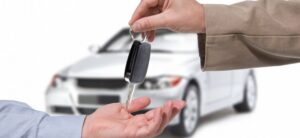
Often, the highest initial cost is obviously going to be the purchase price of the vehicle. Most people who have just passed their test will not be able to afford a brand-new car; they tend to go for second hand vehicles. Truthfully, you can get a great car second hand for a fraction of the price that it would cost to buy a new one. A lot of people also tend to cause damage to their first cars simply because they are learning how to drive alone in their car as opposed to driving with their instructor in their instructor’s car. You will still need to find the balance between a cheap vehicle and one that is going to be a good runner still. This means looking up the history of the vehicle on the DVLA website to see whether it has ever been written off or if it has passed all previous MOTs.
Some people will be able to purchase a second hand vehicle outright using their savings. If you are able to purchase a vehicle outright, then you will own the vehicle free and clear; apart from the lump sum that you have paid, there will be no other repayments that need to be made for your car. Other people will not be able to even afford a second hand vehicle outright. This is why they will often need to consider finance options. Depending on where you purchase the vehicle from, you are likely to be able to enter a finance application and essentially take out a loan for your vehicle. Obviously, in addition to the deposit that you will need to put down, there are also the monthly repayments to consider here too.

Personalisation
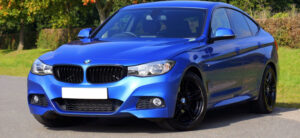
Some people don’t just want to purchase a car and drive it, they also want to make it an important part of their lives. This is often achieved by personalising the car, as it starts to make it showcase their personality. It doesn’t have to be expensive to do this, but there will be a cost involved. One of the most common ways to personalise a car is to look into a private reg plate, like the ones from Regtransfers, who also have great resources on the buying and selling process.
This can help you understand what you can do to your car, including what you’re legally allowed to do. There may be some personalisation options that you won’t be allowed to do. For example, many people want to tint their windows, but this has to be done a certain way.
Cost of Fuel
Obviously, there are also a number of ongoing or operating costs associated with owning a car. One of the most frequent is the cost of fuel. It is difficult to predict how much this is going to cost you because it depends on a number of factors. You will need to consider how big the tank is and how far you are going to drive because both of these will affect the frequency with which you are fuelling your vehicle. If you need to refuel more regularly, then this is obviously going to cost you more. The type of fuel that your car takes will also affect this price too because petrol tends to be less expensive than diesel, but this is often by quite a small amount. In addition to this, there are other factors to consider too. The price of fuel can vary quite dramatically depending on where you are in the country. Socio-economic factors like fuel shortages can also affect the price too.
Taxing & Insuring
The next thing to consider is the cost of taxing and insuring your vehicle. Now, depending on your preferences, your financial situation, and, of course, the price, too, you can either choose to make the payments monthly or annually. If you can afford to, it does make more sense to pay annually because there is the interest added to monthly repayments and therefore paying in one go is cheaper. Vehicle tax and insurance are both legal requirements meaning that you cannot drive without them. If you are caught without either of these in place, then the fines are incredibly steep, and you can also face points on your licence or even a driving ban. Vehicle taxes are determined by the DVLA, which means there is no wiggle room on that price, some vehicles are exempt from paying tax for several reasons, but they will still need to go through the process to ensure that they are registered. However, you can use comparison sites and shop around in order to get the best possible deal on your insurance.
MOT & Breakdown Cover
Moving on to the annual charges, the biggest non-negotiable annual charge that you can expect to encounter is the price of an MOT. This is because MOTs are a legal annual requirement for any vehicle over three years old. The actual cost of the MOT itself doesn’t tend to be too expensive unless, of course, they find faults with your vehicle that need fixing, in which case the costs can begin to mount up. However, having an MOT is obviously worth doing because it ensures that your car is safe to drive. The cost of an MOT varies depending on who performs it. Most garages charge a set price for the actual MOT then additional work is billed on top of this. The same can be said for a service, a service is not a legal requirement, but it does make sense to have them yearly or so to ensure that your car is running optimally and any issues are caught early to save you bigger issues down the line.
Lastly, is an arguably optional charge that some people choose to ignore, but it is worth considering. Breakdown cover is not a legal requirement, it is entirely optional, but for the most part, it does make sense to have some in place. If you were to break down or experience an accident or issue without having some sort of coverage in place, then you could be left stranded whilst you tried to work something else out, and you could also end up paying more for someone to come out to you. This is why you really should stop and think before dismissing the breakdown cover. There are a number of providers out there for you to consider, do a little research to get an idea of your options. A lot of providers also offer different levels of coverage too, which means that you should be able to find an affordable option that ensures that you are covered for everything you want to be covered for.
To Conclude
Obviously, getting your first car is a real milestone and a great experience. You finally have the freedom that you have been craving; you don’t have to rely on anyone or anything else to facilitate your independence. A lot of first-time buyers get hung up on the purchase price of the car and forget to factor in the new items on their budget going forward. You will need to think about what you can afford; if you have saved up to purchase the car, it might be worth keeping a little back to help you with the price of the insurance for the first year. As mentioned above, there are ways in which you can make this first year a little cheaper, like searching for comparison sites, buying a vehicle second hand, or choosing a more fuel-efficient vehicle.
This is a collaborative post.
Pin It!