Getting to the Root of Your Allergies
Suffering from allergies is one of the most frustrating things we can have in our daily lives. If we are constantly sniffling and blowing our nose, and we look back and realise we’ve been doing this for decades, it’s important to get to the root cause. Having a runny nose is not the worst thing in the world, but for the sake of your mental health, it is so important to dig deeper. Whether you have seasonal allergies or it’s a persistent problem, you’ve got to find the root cause. Let’s show you some of the potential causes.
A Deviated Septum.

It’s important to note that if you have allergies that a deviated septum isn’t the root cause but by fixing a deviated septum through an ENT specialist can help to alleviate some of the symptoms during allergy season. A deviated septum, where the bone and cartilage that divide the nose is crooked or off centre, can result in an imbalance in the breathing passages. There are other symptoms of a deviated septum, including headaches, post-nasal drip, and snoring during sleep. Medication can help to relieve the symptoms, but also a surgical procedure might be needed.
Inflammation.
We have to remember that the symptoms of allergy, such as sneezing or runny eyes, are linked to the level of inflammation in our bodies. The more information we have, the more likely that our cells are going to release histamine. This is the chemical that protects us from foreign bodies. This is why an antihistamine alleviates the symptoms. But we have to remember that inflammation can be caused by a multitude of reasons. Inflammation can arise as a result of eating too many processed foods or having additional stress in life. The more stress you put on your body, the likelier the chance for inflammation. As inflammation is the body’s response to preserving and protecting itself, we’ve got to understand what we can do to reduce inflammation.
Food Allergies.

If we have a food allergy or sensitivity, our immune systems become hypersensitive to things we eat. When we eat something that our body doesn’t agree with, it starts to create a response in the immune system. This response is a large amount of histamine, which will cause sneezes, runny noses, and so forth. Because we may have potential food allergies and we may feel worse during hayfever season, this is why we might feel our hayfever symptoms get worse. You may feel that you have a runny nose during any time of year, in which case, if there are no allergens in the air, you have to look at fixing your diet. The one true way to get to the root cause of food intolerance or allergy is to undergo an elimination diet. By taking the opportunity to recognise if a food is a potential trigger, such as if it makes your heart beat faster or you have a runny nose or feel bloated, you can then remove this item out of your diet for at least 30 days before gradually reintroducing it. For many people, the reason they have so many allergies in life is due to a poor diet.
Improper Gut Health.
Something that has had more attention these days is the importance of gut health. 80% of our immune system is made in our gut. If our gut health is imbalanced, our histamine reaction is higher. Because bacteria ferment things, histamine is released as a by-product of this process. So if our bodies are full of certain bacteria that are fermenting food, this could be causing extra histamine. As a result, our allergies and symptoms get worse. There are ways for us to check our gut balance. You can approach a nurse practitioner to give you a microbiology panel. This will be able to tell you what type of useful bacteria is living in your GI tract. If you have an imbalanced amount of beneficial bacteria, especially if you have taken a lot of antibiotics over the years, you can “top up” your gut bacteria by consuming more fermented foods and drinks such as kimchi, kefir, or kombucha. These are classed as probiotic foods. You can also focus on eating more prebiotics which helps to grow bacteria. And you can find these in foods such as garlic and onions, or in any natural probiotic supplements.
Consuming Food and Drink That Contain Histamines.
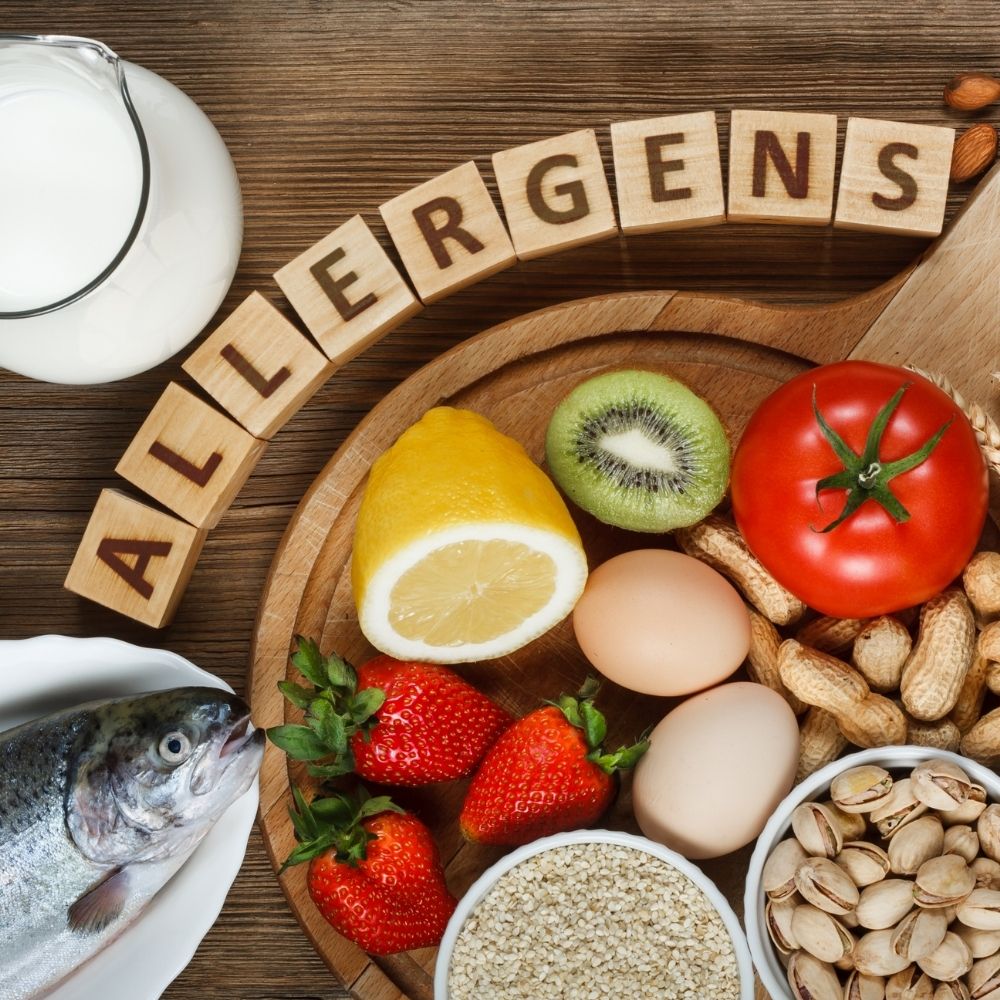
Your diet is worth addressing because you may be naturally eating foods that contain high levels of histamines. If you are eating a high amount of dairy in your life, this could contribute to respiratory or sinus infections as dairy can increase the amount of mucus coming from your sinus and throat. Alcohol has a high level of natural histamine. And as alcohol can stop our body from processing histamines, this means that they will stay inside us longer. The key culprits are those that undergo a long fermentation process. Beer and wine are the biggest ones, but it is possible to choose drinks that are low in sulphites such as certain wines. You can also choose drinks that are less likely to contribute to your histamine symptoms such as tequila, gin, and vodka.
Medication Containing Histamines.
There are certain medications that can slow down our body’s ability to produce DAO (Diamine Oxidase), an enzyme used to treat symptoms of histamine intolerance. Medications such as muscle relaxants, prescription anti-inflammatories like aspirin, as well as antidepressants, can result in a higher level of histamine in the body.
Getting to the root of your allergies is crucial. Whether you are experiencing more allergy symptoms than normal, it’s always a good idea to check if there are any simple ways to get to the root cause. While you may very well suffer during a high pollen count, if you pay a little bit more attention to your symptoms and your lifestyle, you will get to the root cause. It’s pretty miserable to live feeling like you are allergic to everything. A few simple lifestyle changes can make all the difference.
Pin it!






Very informative and extremely helpful piece! This really was an excellent eye-opener regarding allergies.