5 Ways To Help You Cope With Chronic Fatigue Syndrome / ME
This is a collaborative post.
It was back in 2010 I was diagnosed with Chronic Fatigue Syndrome (CFS) also known as Myalgic Encephalomyelitis (ME). It was an update on the diagnosis of Post Viral Fatigue, which I had received after a bad bout of flu.
Sadly I never recovered from it and overnight (or so it felt like). I went from someone who could walk my dog for miles, was studying at uni and volunteering for the wildlife trust.
To someone who could barely think, let alone walk far anymore.

It is a diagnosis which is hard to explain to people who have never experienced it. I normally just say “I’m tired”.
However, fatigue from ME is more than that. Some days speaking and moving are just out of my grasp.
It doesn’t have to be physical activity that brings on my symptoms of ME either. My DBT therapy takes a mental toll on me and I really struggle for the rest of the week.
Fatigue isn’t the only symptom of ME either, other things experienced can include: sleep problems, headaches, sore throats, pain in muscles or joints, weakness of muscles, poor coordination, sensitivity to light, noise, odours and touch, cognitive problems, flu-like symptoms, feeling dizzy, feeling sick, inability to regulate the bodies temperature and fast or irregular heartbeat, to name just a few.
With all that in mind, I’ve had to come up with ways to help me cope with my chronic fatigue syndrome / ME and I thought I would share some with you.
Plan, Plan and Plan Some More.

Honestly, I’ve found planning really helps.
For instance, if I know I am due to have even something as simple as an appointment I need to plan what will happen on the day. While also planning the day before and the next couple of days at least after it, to make sure I can rest and recuperate.
Often appointments also mean I need help from both Ash and my Dad, so I have to plan with them as well to make sure they are free.
Holidays and day trips take a lot more planning and these days a lot of my holidays are spent enjoying the view, rather than sightseeing.
As such, I can’t just do anything on the spur of the moment anymore.
Think About Your Car.
This for me has surprised me how much of a difference it has made.
Last year we got a new car, which better met my needs and it has made travel a lot easier. However, next time I am looking to go a step further.
Both getting a car which is higher and also opting for a wheelchair accessible vehicle.
My mobility is declining year on year, so having something I could access so easily would make a huge difference.
Utilise Home Aids.
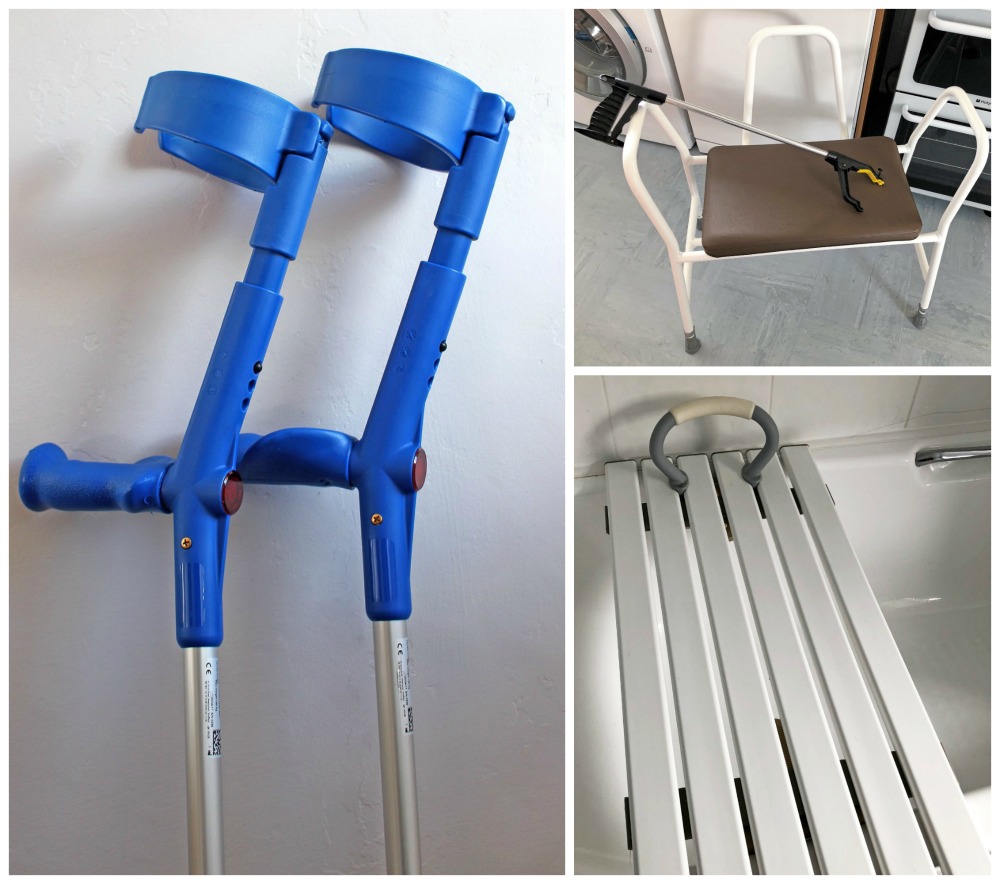
It took me a while to admit I needed the help of aids and adaptions around the home.
My OT has helped me add many different aids and adaptations around the home. Some of the simplest such as chair raisers have surprised me in how helpful they are.
Sometimes it can be hard to admit you need that extra help – believe me, I get it. However, it can just help you with much-needed energy levels for other daily living tasks.
Learn to Pace.
Pacing is a huge thing with both ME and Fibromyalgia and I’ll be honest I’m not good at it.
Pacing is about not overdoing it, especially when you feel you are having a better day. It is about knowing it is OK to say that’s enough even if you are only partway done with a job.
It is also about asking others for help.
Ash helps me a lot with pacing and often tells me when it is time to stop.
Pacing isn’t a treatment or a cure, it is simply a way to learn to not overdo things and hopefully calm down the rollercoaster of symptoms.
Ask For Support.
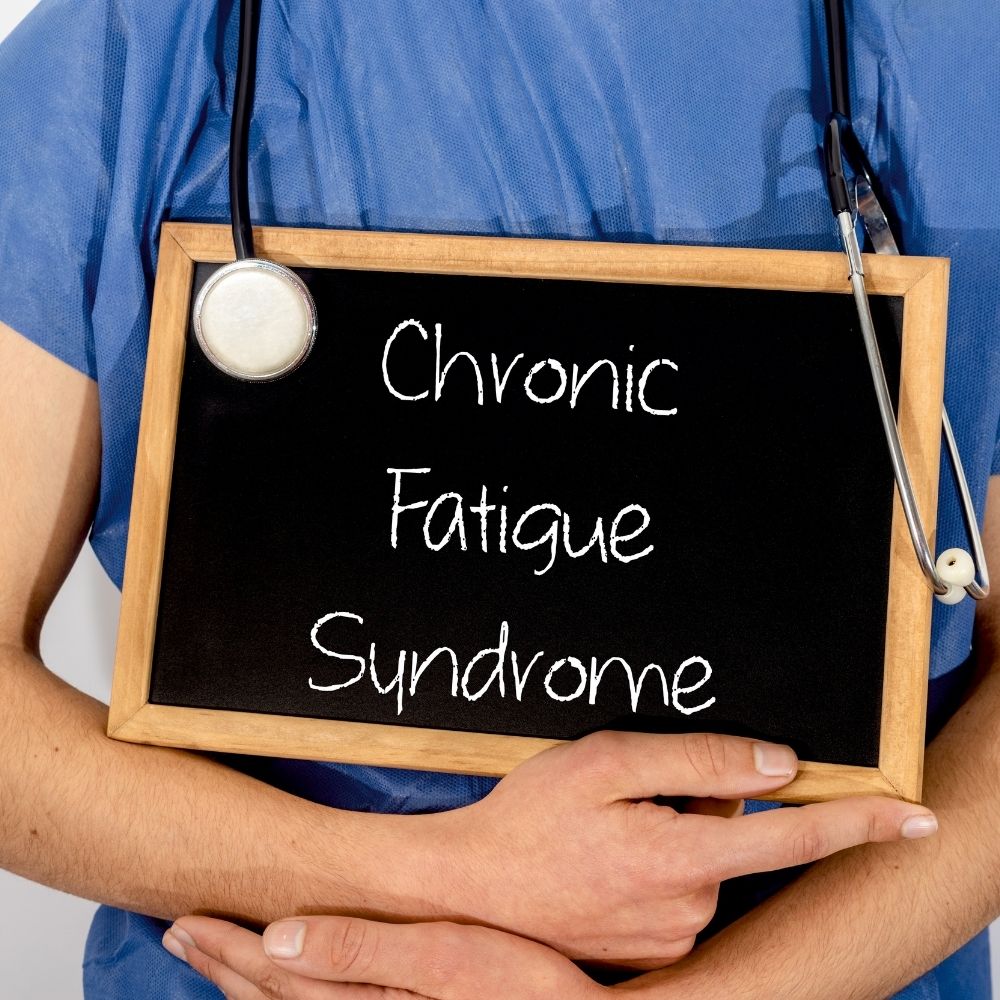
Don’t be afraid to ask for support. We all need people around us who try to understand what we are going through.
Much like I will never fully understand Ash’s Type 1 Diabetes diagnosis, he will never fully understand mine either. However, we try and we listen.
We understand that we might get annoyed with things that are going on and look after the other when things are bad.
A support network can be made up of a number of different people, from healthcare professionals to friends and family and online groups.
Only you will know what works best for you.
Before I finish this post I must remind you that chronic fatigue syndrome / ME offers different levels of symptoms, all of which affect day-to-day life. However, this also means you shouldn’t compare your symptoms to that of another.
Just because one person can still work, using what would have been their social activities time to recuperate, doesn’t mean another person isn’t bedbound and reliant on a wheelchair and still suffering from ME.
I hope this has taught you some new ways to cope with your chronic fatigue syndrome / ME or given you a bit more of an insight into this life-limiting in many cases condition.
Pin it!






Thank you for enlightening what chronic fatigue is and how sufferers learn to cope with it.
This is really interesting to read, I don’t know much about ME / CFS but it sounds awful to deal with, hopefully they will discover better ways to help manage your symptoms ♥️
Thank you so much it is such a hard condition to live with a so misunderstood by a lot of people I find.
Thank you for this post. I have also had ME / Fibro for many years, bedbound at first for nearly a year. I now have periods of recovery and relapse and find that pacing really helps me too. I’m very interested by the ‘long-covid’ symptoms that are being experienced by people now and hope that research into this will shed some more light on ME / CFS etc.
I have to admit I’ve been thinking the same, I do hope it helps bring about some more research, however, I think they will probably just get labelled with long covid and let to deal with it much like us.
I don’t have a diagnosis for either but I do feel depressed & fatigued most of the time. I enjoyed reading this; I’ve learnt a few thing, so thank you.
They are the same thing known by two different names, I don’t think people can decide on which is best.
Asking for support is so hard. I thought for years I had CFS, Maybe I actually did because I know from my own mother it has flares and then goes away/ comes back etc. My mum had M.E for years and I ended up being her young carer. Asking for help was so hard for her
It really is a hard thing to ask for – I still struggle even now as I just want to do things myself!
My best friend with suffers with this terrible illness, and I have found your article very interesting. I will be sharing this with her and I hope your tips helps her too.
It is awful and it is hard to convey to others just how wearing it is as you look “ok” most of the time.
It’s true that some people with the same or similar condition can still not understand what it’s like for someone else. It’s happened to me recently and it’s bewildering.
It’s really hard isn’t it – I think some people don’t want to understand and some just can’t.
Brilliant article and do well explained. I was diagnosed with fibromyalgia in 2010 which deteriorated until 2016 when I became so ill I could no longer work. Last year they finally diagnosed chronic fatigue syndrome and ehlers danlos syndrome so I completely relate to everything you have said here and in your in your other article. The hardest thing for me is the guilt. I hate having to get everyone else to do even the simplest of tasks that I’m not able to and hate that u can’t do all the things I used to with the children
It is horrid isn’t it with the guilt I hate sitting and watching people do things for me, I just want to be able to things myself.
I have been plagued by fibromyalgia and Chronic Fatigue for the past 8 years…. I just wish there was a cure.. This is not living some days, just barely existing.
It’s so hard, isn’t it? I have both as well and sometimes I just feel like giving up.
Pacing is something i absolutely struggle with, if i’m having a good day i tend to cram everything in, exhaust myself and then i’m out of action for the next few days or more, i can’t help myself but you have reminded me to give myself a break, which today i really need! so thank you.
It is so hard, isn’t it? I went to the ME clinic about it and even with a professional going over and over it with me I still don’t “get it” fully or I understand it I just find it hard to practice it.