How Better Access To Hormone Testing Can Support Informed Conversations In Women’s Healthcare
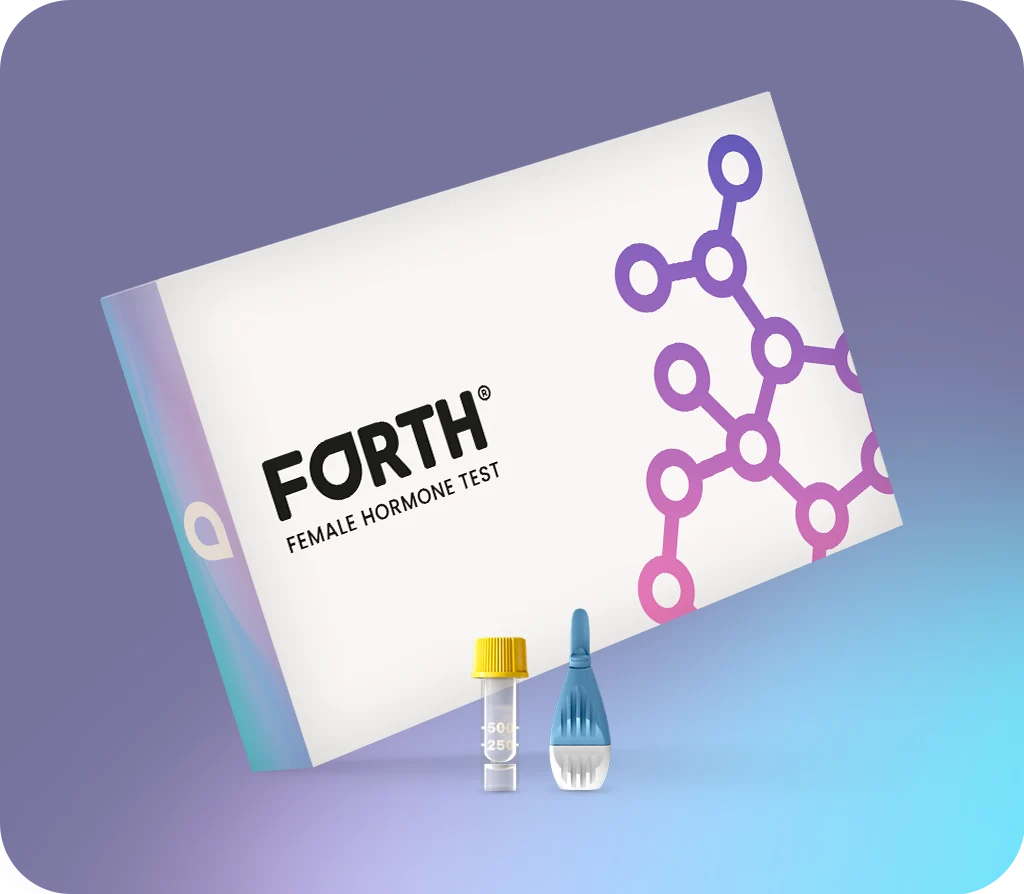
When periods become unpredictable, skin changes appear, or sleep and energy decline, it can be difficult to know whether hormones are involved. A female hormone test kit, like the one provided by Forth, gives women access to laboratory blood testing that may help turn vague concerns into clearer information. It is not a diagnosis, but it can provide useful evidence to discuss with a healthcare professional.
Giving common symptoms more context
Hormonal symptoms often overlap with everyday pressures. Fatigue may be blamed on work, low libido on stress, acne on skincare, and mood changes on a demanding week. Poor sleep can then affect concentration and energy, making the overall picture even harder to interpret. When several symptoms persist or follow a pattern, blood results can add context that symptom tracking alone cannot provide.
Blood testing is particularly valuable because it measures biomarkers directly in a laboratory sample. The Forth test includes oestradiol, progesterone, follicle stimulating hormone, luteinising hormone, prolactin, total testosterone, sex hormone-binding globulin and the calculated free androgen index. It also measures thyroid stimulating hormone, free T4 and free T3, which are relevant when changes in energy or mood are part of the concern.
These results can help women describe what they have noticed with greater precision. Instead of saying, “I just do not feel right,” someone may be able to explain that tiredness, disrupted sleep and mood changes have continued alongside irregular periods. That clearer account, supported by blood data, may help a clinician decide what questions to ask, whether further assessment is appropriate, and how symptoms should be monitored.
Supporting better healthcare conversations
Accessible testing may be especially helpful for women who feel uncertain about raising hormonal symptoms or worry that their experiences will be dismissed as normal. Seeing results presented against reference ranges can provide a starting point for discussion and encourage women to record cycle timing, symptom frequency and changes in wellbeing.
Timing matters because several hormone levels naturally vary across the menstrual cycle. Forth advises women with regular periods to collect their sample on day three, with day one counted as the first day of bleeding. Following the collection guidance helps make the result easier to interpret in context.
No single test can explain every symptom, and a result within range does not mean a person’s concerns are unimportant. Equally, an out-of-range result should not be interpreted without clinical advice. The greatest value of better access is therefore not self-diagnosis, but preparation: women can approach appointments with organised observations, relevant blood results and focused questions.
That can lead to more balanced conversations about next steps, while giving women greater confidence that their symptoms deserve attention. Better information does not replace professional care; it helps patients participate in it with greater clarity, confidence and shared understanding.
Pin It!