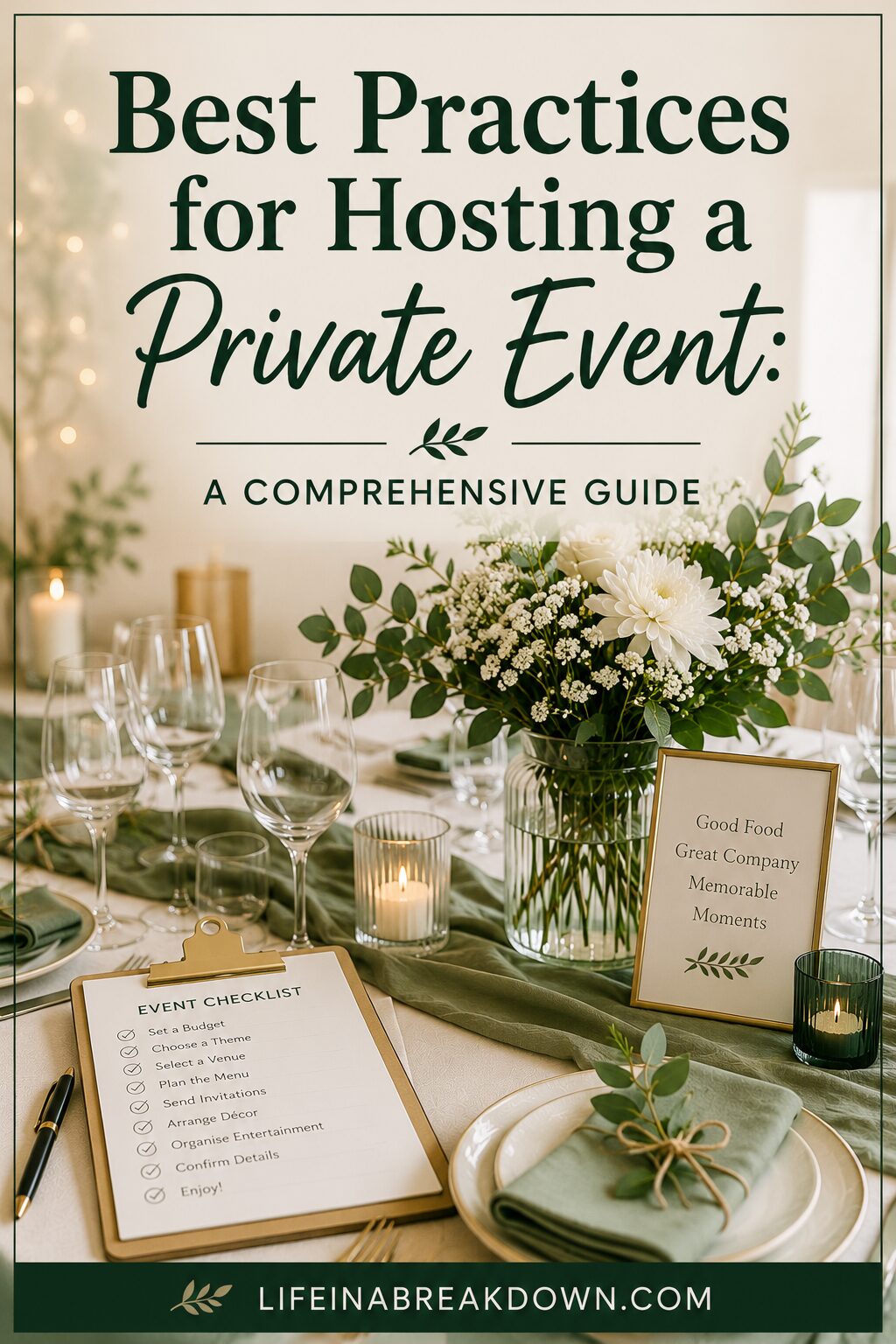
Best Practices for Hosting a Private Event: A Comprehensive Guide
Hosting a private event requires a blend of careful organisation, creativity, and a focus on guest experience. When executed thoughtfully, an event can offer an unforgettable occasion for all involved. From intimate dinners to elegant receptions, every detail matters to ensure success. For those exploring wedding venues in San Antonio or planning any other private celebration, understanding best practices can help turn vision into reality.
Selecting the right venue, curating a tailored guest list, and designing an inviting atmosphere form the foundation of an effective event strategy. Attentive planning helps hosts navigate challenges, anticipate guest needs, and deliver moments that sparkle. Whether the event is a milestone celebration or a professional gathering, successfully bringing people together begins with a clear sense of purpose and attention to every element that shapes the guest experience.
In this guide, you’ll find essential steps for hosting memorable private events, including expert tips on food, ambience, logistics, personalisation, and follow-up. With a mix of practical advice and creative inspiration, this article provides everything you need to master the art of hosting.
By prioritising thoughtful preparation and guest-centric details, even first-time hosts can organise private events that leave a lasting mark.
Define Your Event Objective

Every great private event begins with a well-defined objective. Pinpointing the central goal of your gathering, whether it’s a celebration, a networking opportunity, or a fundraiser, guides all other planning decisions. By clarifying the desired outcomes, you ensure the event’s purpose remains central, influencing choices from venue selection to entertainment options. Clearly stated objectives also make it easier to communicate expectations to your planning team and vendors.
Select the Perfect Venue
The venue is the canvas on which your event unfolds. Evaluating potential locations involves considering capacity, accessibility, style, and available amenities. For a more upscale gathering, a historic property or luxury hotel may be ideal, while modern rooftop spaces might suit a trendy social reception. Consider proximity for guests; selecting a central venue can improve attendance and convenience. Specialised venues, such as art galleries or parks, can also add a unique flair that aligns with your event’s personality.
Curate a Thoughtful Guest List
Deliberate attention to the guest list shapes the social energy of your event. Invite a balanced mix of personalities to foster engaging conversation and a positive atmosphere. Being considerate of group dynamics ensures everyone feels welcome and included. When sending invitations, include clear RSVP instructions. Digital invitations offer quick distribution and tracking, while printed invites add a classic touch for formal occasions. According to The New York Times’ party planning guide, early outreach and friendly reminders help maximise turnout.
Plan a Memorable Menu
Culinary offerings create lasting memories and encourage guests to mingle. Work with reputable caterers to design a menu reflecting the event’s spirit and guests’ dietary needs. Feature local and seasonal ingredients for freshness and regional flair. Diverse beverage options, including non-alcoholic choices, ensure inclusivity. If possible, pair items to create a cohesive flavour journey, or assign staff to guide guests through tasting options. The menu’s presentation is just as important as taste; colourful, creative displays add to the event’s atmosphere.
Create an Engaging Atmosphere

Lighting, music, and décor are essential tools for setting the mood. Plan the ambience to appeal to multiple senses, using soft lighting and curated playlists for elegance, or vibrant colours and dynamic music for casual gatherings. Incorporate thematic elements, such as centrepieces or accent décor, that reflect the event’s purpose. Hiring entertainers or interactive activities can keep guests engaged and make the occasion more memorable. For ideas and inspiration, platforms like Martha Stewart offer examples of how décor can transform a space.
Coordinate Seamless Logistics
Logistics underpins the guest experience. Develop a clear timeline from setup through teardown, assigning responsibilities to staff or volunteers. Plan for transportation, parking, and accessibility needs. Communicate details with vendors in advance to avoid last-minute issues. Use a checklist to monitor progress and be flexible, adapting as required on event day. Keeping a backup plan for unavoidable challenges, such as inclement weather, is always wise.
Incorporate Personal Touches
Personalisation sets events apart and makes guests feel truly appreciated. Incorporate custom details like handwritten place cards, a signature cocktail, or a playlist tailored to attendees’ tastes. If possible, integrate elements that acknowledge milestones or the event’s unique story. Even small gestures, like a photo booth with customised props, can make the experience more engaging.
Follow Up with Guests
Expressing gratitude after an event strengthens relationships. Send heartfelt thank-you notes, emails, or thoughtful tokens to attendees. Request feedback to identify successes and areas for improvement, thereby enhancing future events. Gratitude and responsiveness ensure guests remember both the occasion and the care shown by the host.
Following these best practices allows hosts to create memorable, meaningful experiences that resonate with every guest. Through thoughtful planning, attention to detail, and a commitment to guest enjoyment, any private event can rise above the ordinary and become an occasion to remember.
Pin It!