Electric Bikes 101: Everything You Need to Know Before You Buy
As cities grow more congested and concerns about environmental sustainability rise, electric bikes (e-bikes) have emerged as a popular alternative to traditional transportation methods. Blending the convenience and speed of cycling with the benefits of electric assistance, e-bikes cater to a wide range of riders — from casual commuters to avid cyclists.
However, with a plethora of options and features available, choosing the right e-bike can be a daunting task. In this comprehensive guide, we will explore everything you need to know before making a purchase, from understanding the different types of e-bikes and their components to tips for ensuring a comfortable and efficient ride.
Whether you’re considering an electric bike for daily commuting, leisurely rides, or adventurous excursions, this resource will help you navigate the world of e-bikes effectively.

E-Bike Essentials
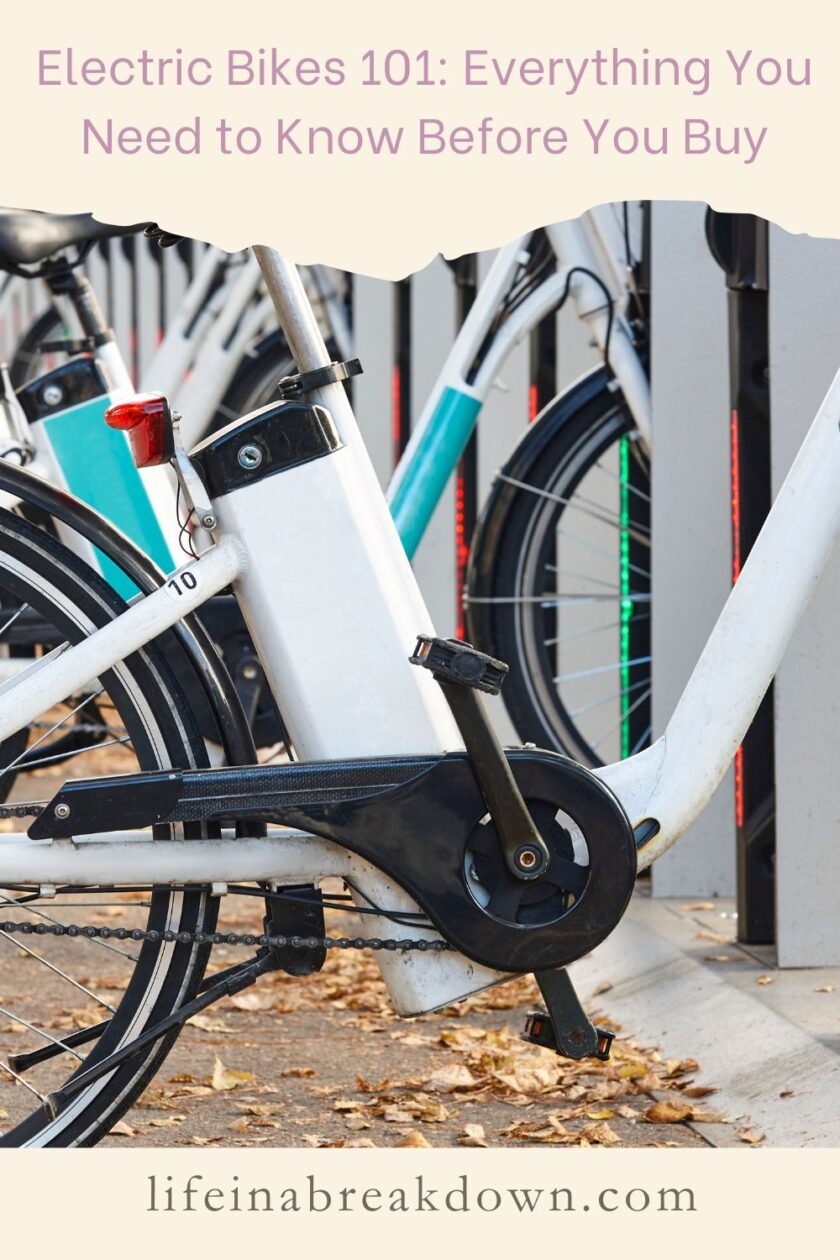
Before diving into the specifics of e-bike types and features, it’s essential to understand the core components that define an electric bike. At the heart of an e-bike is its motor, which provides electrical assistance to amplify pedalling efforts.
Motors typically come in three main types: hub motors, mid-drive motors, and hybrid systems, each offering distinct advantages depending on your riding style and terrain. Having a ebike rack for car is essential if you plan to transport your bike for trips or adventures. This will ensure the safety and security of your e-bike during travel.
Another crucial component of an e-bike is its battery, which stores electrical energy to power the motor. Batteries come in various sizes and capacities, with larger batteries providing longer ranges. It’s also important to consider factors such as weight and placement when selecting a battery for your e-bike.
Battery Life Decoded
Understanding the battery life of an electric bike is vital for maximising your riding experience. Battery life is influenced by several factors, including the size of the battery, the efficiency of the motor, and your riding habits.
Typically measured in watt-hours (Wh), a battery with a higher capacity will generally allow for a longer range before requiring a recharge. However, various elements can affect this range, such as terrain, rider weight, and the level of pedal assistance used.
For instance, riding on steep inclines or using higher assistance modes can drain the battery faster than cycling on flat terrain in eco mode.
Regular maintenance is essential to extend battery life. Keeping the battery clean, ensuring connections are secure, and avoiding complete discharges can all contribute to a longer lifespan.
Additionally, charging the battery after every ride as opposed to running it down to empty can help preserve its health. Familiarising yourself with these factors and maintaining good habits will ensure you make the most of your e-bike’s battery, allowing you to enjoy longer, uninterrupted rides.
Pedal Assist vs. Throttle
When exploring the capabilities of electric bikes, two primary modes of power assistance stand out: pedal assist and throttle. Pedal assist, often regarded as the more traditional e-bike experience, requires the rider to pedal while the motor provides additional power, making for a smoother, more natural cycling feel.
This mode enhances the physical activity aspect of riding, allowing cyclists to enjoy the exercise benefits while receiving assistance in challenging conditions, like steep hills or strong winds.
On the other hand, throttle systems offer a distinct riding experience by allowing users to control the motor’s power output with a simple twist or push of a button, akin to riding a scooter or motorcycle. This mode can be advantageous for those who may not wish to exert themselves, making it perfect for short distances, quick errands, or for riders who may have mobility challenges.
Understanding the differences between these two options is crucial when selecting an e-bike, as it will significantly impact your riding style and overall enjoyment of the bike.

The E-Bike Shopping Checklist
When preparing to purchase an electric bike, having a structured checklist can help streamline the decision-making process and ensure that you consider all necessary factors. Start by evaluating your needs: think about how you plan to use the e-bike — whether it’s for daily commuting, casual rides, or off-road adventures. Next, set a budget that accounts for both the initial purchase price and any additional costs, such as maintenance or accessories.
It’s essential to research various brands and models, paying close attention to specifications like motor power, battery capacity, and range. Read reviews to gather insights from current users about their experiences. Additionally, consider the type of warranty or service support offered, as this can affect long-term satisfaction with your purchase.
Finally, taking e-bikes for a test ride can help you gauge comfort, handling, and fit. This hands-on experience is invaluable and will give you a better sense of which e-bike aligns with your expectations and riding style. By following this checklist, you can make a more informed and confident decision when selecting your ideal electric bike.
Urban Commuter or Off-Road Explorer
Urban commuters often require bikes that are lightweight, versatile, and equipped with features that enhance city riding. Look for models that offer a comfortable seating position, puncture-resistant tires, integrated lights, and a reliable locking mechanism. Additionally, features such as fenders, racks for carrying groceries or work supplies, and kickstands can be invaluable for navigating urban environments.
Conversely, if you identify more with the off-road explorer lifestyle, you’ll need an e-bike designed for rugged terrains and varying conditions. Look for robust frames, wider tyres with good traction, and powerful motors that can handle steep inclines and challenging paths. Sturdy suspension systems can absorb shocks better, providing a smooth ride over bumps and uneven ground.
Depending on your preferences, you may also want to consider e-mountain bikes, which are specifically engineered to enhance downhill performance or tackle rough trails. Identifying your riding style will allow you to choose an e-bike that best fits your adventure, ensuring a more enjoyable and efficient experience.
Choosing the right electric bike involves careful consideration of your personal needs, riding style, and the features most important to you. Whether you lean towards urban commuting or off-road exploration, understanding the essential components, battery life, and modes of assistance will empower you to make an informed decision.
As the popularity of e-bikes continues to rise, they offer an exciting and eco-friendly transportation alternative that can enhance your daily commute or elevate your weekend adventures. By following the guidelines outlined in this guide, you’ll be well-prepared to select an electric bike that perfectly aligns with your lifestyle, ensuring a rewarding and enjoyable riding experience for years to come.
Pin It!